Ofcom has provided the government with three options about the future of terrestrial Freeview, one of which is a direction to move to digital. Now, the BBC seems to support the idea that the industry will be heading that way.
First reported by Cordbusters, Director-General of the BBC Tim Davie and Chair Dr Samir Shah CBE discussed with MPs at the Department of Culture, Media and Sport Committee about what the UK home media landscape will look like.
During the event, Davie said:
“Digging in purely on DTT [the technical term for Freeview] is not where the BBC is. The BBC would like to be part of a proactive transition of the UK to fully digitised households”
Essentially, that means the BBC is committed to moving away from classic TV aerials and satellite dishes and towards platforms that offer streaming apps with live channel abilities, like Freely – though this won’t be for a while yet.
But there are a few problems that need to be ironed out first. Freely isn’t available on older TVs, only those manufactured from last year onwards. So, there needs to be another way to get it, perhaps via a dongle or media box .
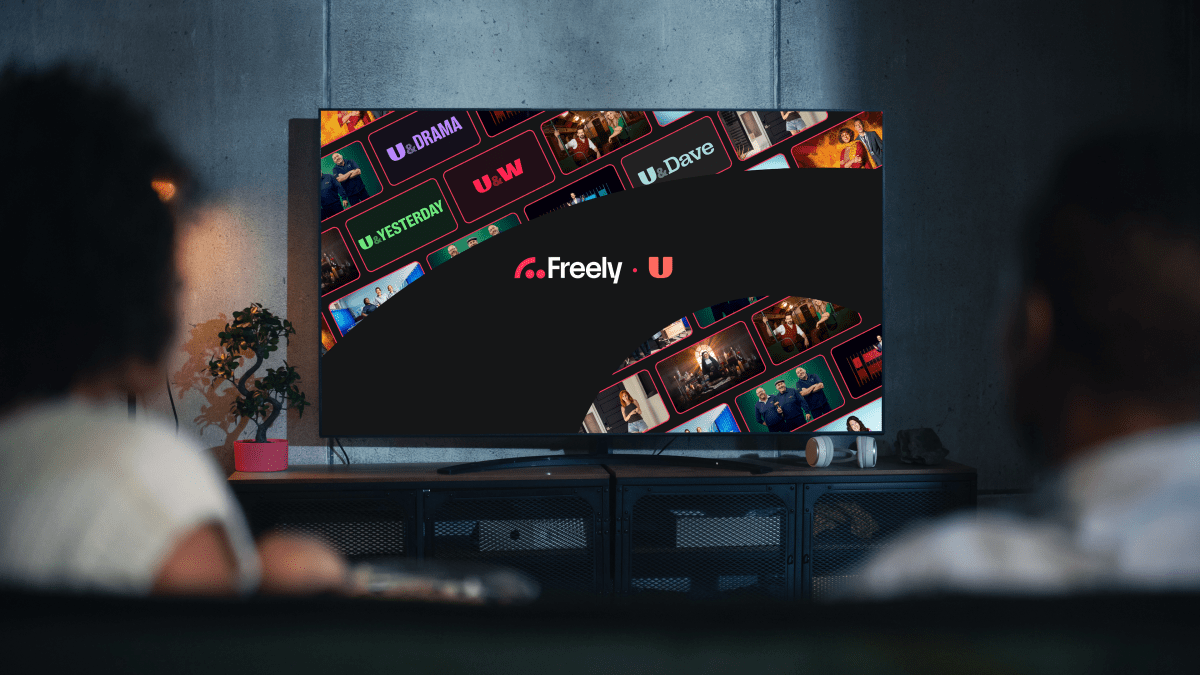
Freely currently requires a TV made in 2024 or later and an internet connection
Everyone TV
Streaming apps also aren’t as comprehensive as the channels on Freeview, though the company has been expanding its list over the past few months.
Then there’s the issue of people being left with TVs without support. Davie made it clear to the government that this isn’t something the BBC wants to happen, as Dr Shah states:
“I was on the main board of the BBC when we did the digital switchover. We were conscious, as the board will be now, that we would not leave people behind.”
Research conducted by Media Minister Stephanie Peacock MP revealed that while 95% of households will be able to watch TV via the internet by 2040, around 1.5 million homes may be left in the dark if they aren’t supported during a digital transition.
This could impact people from older generations, those living in low-income households, anyone with a disability or based in more rural areas. Many users don’t make the switch as the broadband speeds (or lack of internet access at all) makes using a service such as Freely not an option.
So, when will Freeview via aerial be discontinued? An exact date hasn’t yet been revealed, but it could happen within the next decade.
According to the Radio, Electrical and Television Retailers Association , the earliest the transition would happen is 2030, though digital terrestrial multiplex licenses are expected to expire by 2034… providing there is a universal, free TV option in place for other users in the UK.
Author: Hannah Cowton-Barnes, Entertainment Editor, Tech Advisor

As Tech Advisor’s Entertainment Editor, Hannah is the resident expert in all things streaming, film and TV. Before joining Tech Advisor in 2019, she studied Theatre and Performance at the University of Leeds and created a website dedicated to geek culture and lifestyle. She’s also reviewed a whole range of gadgets including flagship smartphones, wearables and styling tools. Outside of Foundry, she’s written freelance pieces for Polygon, Metro and Den of Geek, and is proud to be a Women Techmakers Ambassador for Google.
Recent stories by Hannah Cowton-Barnes:
- Harry Potter TV series has finally revealed a release window
- Jessica Jones returns in Daredevil: Born Again season 2 trailer
- The Traitors will return for season 5 with new twists and challenges
