In its recently launched Galaxy S25 series , Samsung offers a range of sizes, features, and prices to cater to diverse preferences.
But if you’re thinking of updating your phone, you should know that this year’s lineup is an incremental upgrade, with most of the improvements focused on software and AI rather than hardware changes.
Here’s how the S25, S25+, and S25 Ultra compare and what sets them apart.
Buy the Galaxy S25 series at Samsung and find out where the best S25 deals are .
What are the differences between the Galaxy S25, Galaxy S25+ and Galaxy S25 Ultra?
The Galaxy S25 phones have plenty in common, but also more differences than you might expect. Here are the key ways in which they differ.
Design & Display
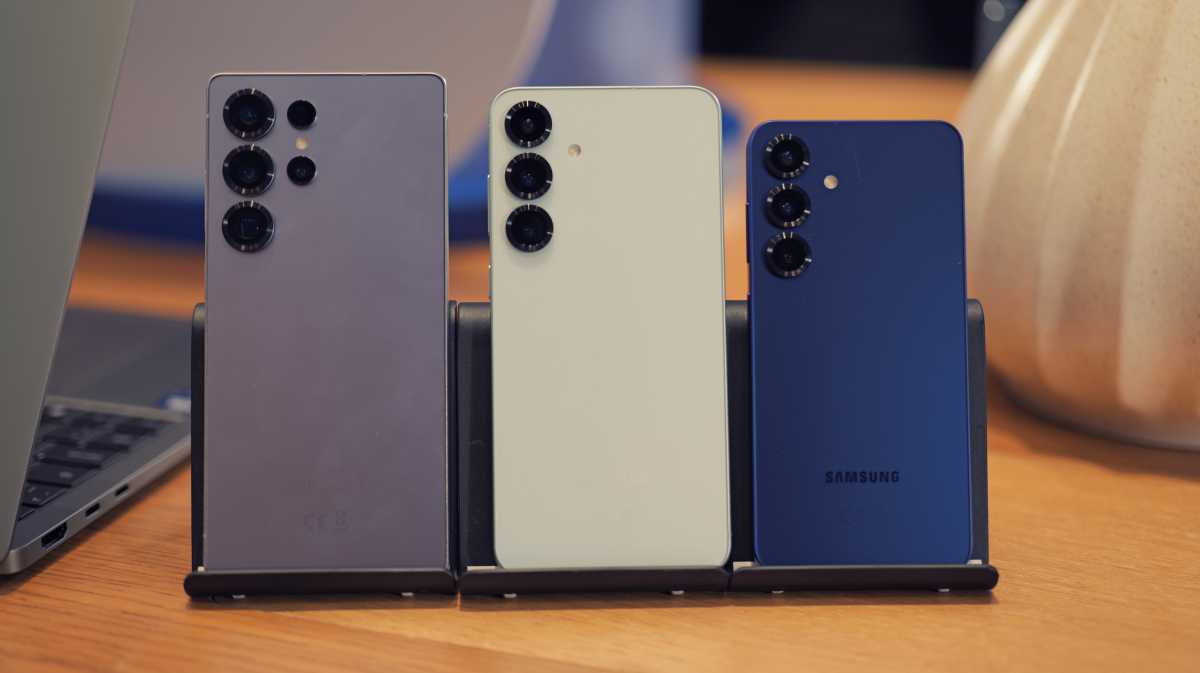
The Galaxy S25 is the smallest and lightest of the trio, making it ideal for those who prefer a compact flagship. It features a 6.2-inch LTPO AMOLED display with a Full HD+ resolution, 2600 nits peak brightness, and a refresh rate of 1-120Hz.
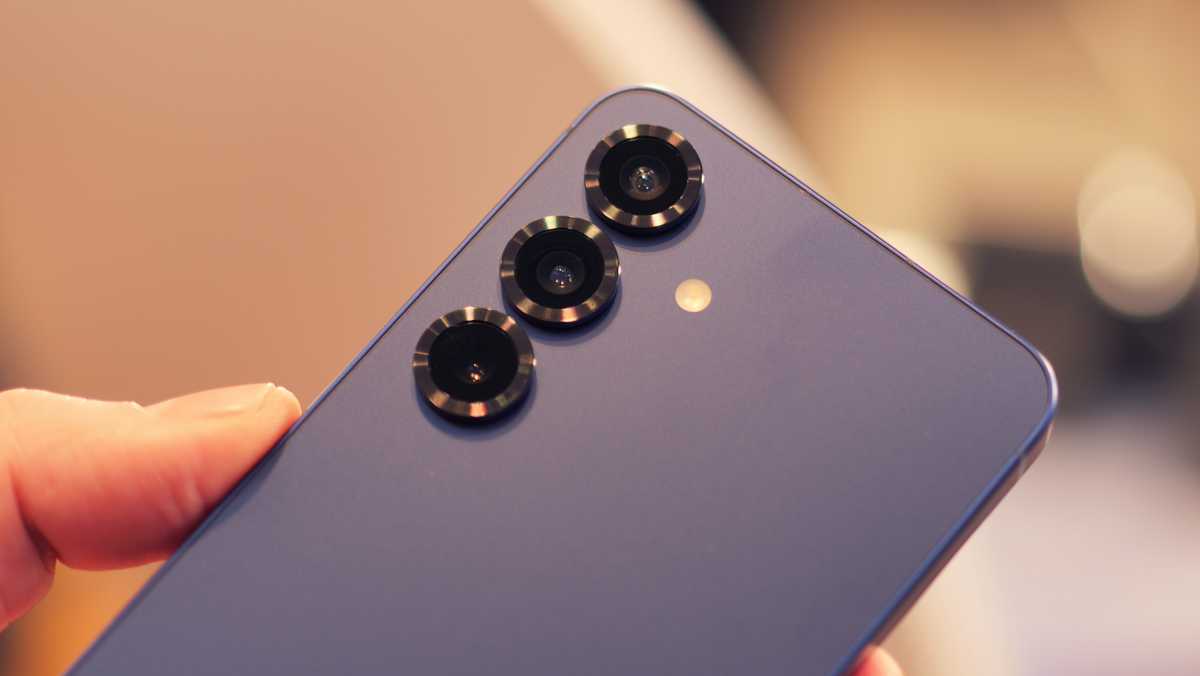
It’s built with a durable Armour Aluminium frame and has an IP68 rating for water and dust resistance. The camera module has received a minor aesthetic tweak, with a thicker black bezel around the lenses.
The S25+ offers a 6.7-inch QHD+ Dynamic AMOLED display, placing it firmly in the middle of the lineup. It’s slightly larger and heavier than the S25, but its streamlined design ensures comfortable handling.
It shares the same durable Armour Aluminium build and Gorilla Glass Victus 2 as the standard S25. Unlike the Ultra model, however, both lack an anti-reflective coating.
For those who want it all, the 6.9-inch S25 Ultra is Samsung at its most ambitious. Its titanium frame and flat QHD+ Dynamic AMOLED display exude luxury and durability.
Samsung has reduced the bezel size by 15% compared to the S24 Ultra, making the screen feel even larger. It also includes the next-generation DX anti-reflective glass, which minimises reflections and enhances durability.
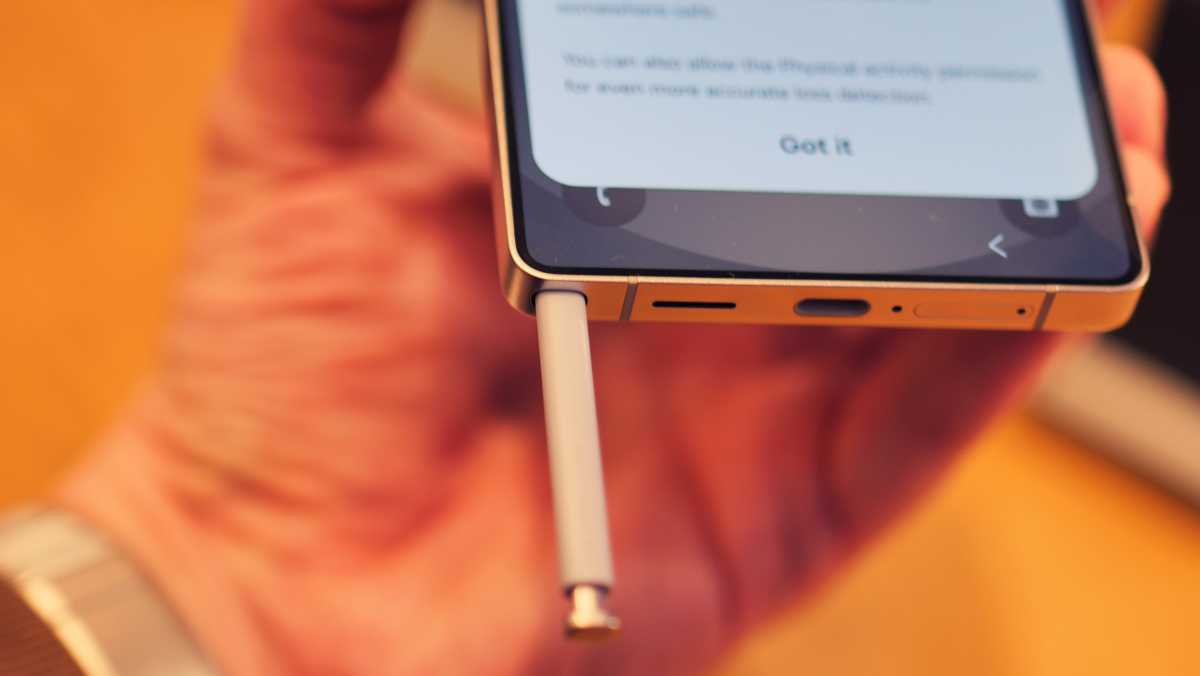
However, at 218g, it’s noticeably heavier than the 190g S25+ and 162g S25. The Ultra also features an integrated S Pen, catering to productivity and digital art enthusiasts.
Cameras
The S25 and S25+ share a 50Mp main sensor, 12Mp ultrawide, and 10Mp 3x telephoto camera. It’s the same setup found on the S24 and S24+ .
Luke Baker / Foundry
AI enhancements improve low-light performance, skin tone accuracy, and dynamic range. The selfie camera remains at 12Mp but produces excellent sharpness and detail.
Both phones also support 4K video recording and AI-based editing tools, such as object removal and reflection adjustments.
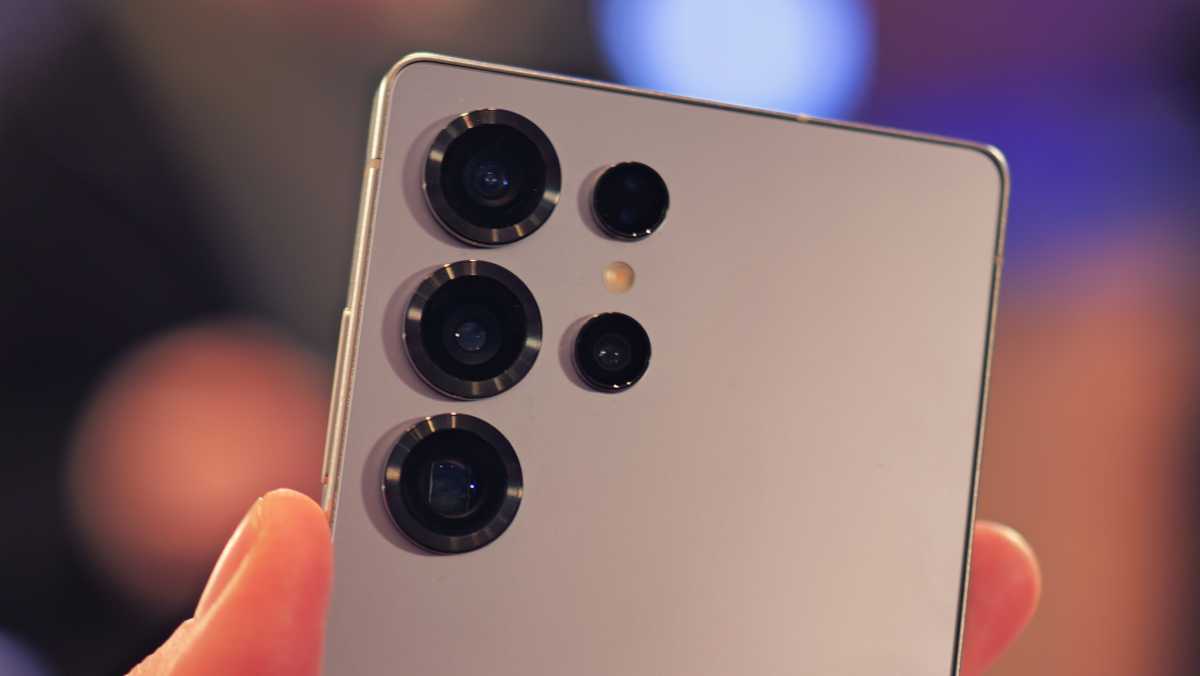
The Ultra, however, takes imaging to the next level with a 200Mp main camera, a 50Mp 5x telephoto lens, and a 10Mp 3x telephoto lens from the S24 Ultra , plus a new 50Mp ultrawide lens with macro capabilities that replaces the previous 12Mp camera.
Luke Baker / Foundry
Night mode, detailed macro shots, and 8K video recording make it the ideal choice for photography enthusiasts. Samsung has also introduced a Log recording mode, making it more appealing for professional videographers.
Battery & Charging
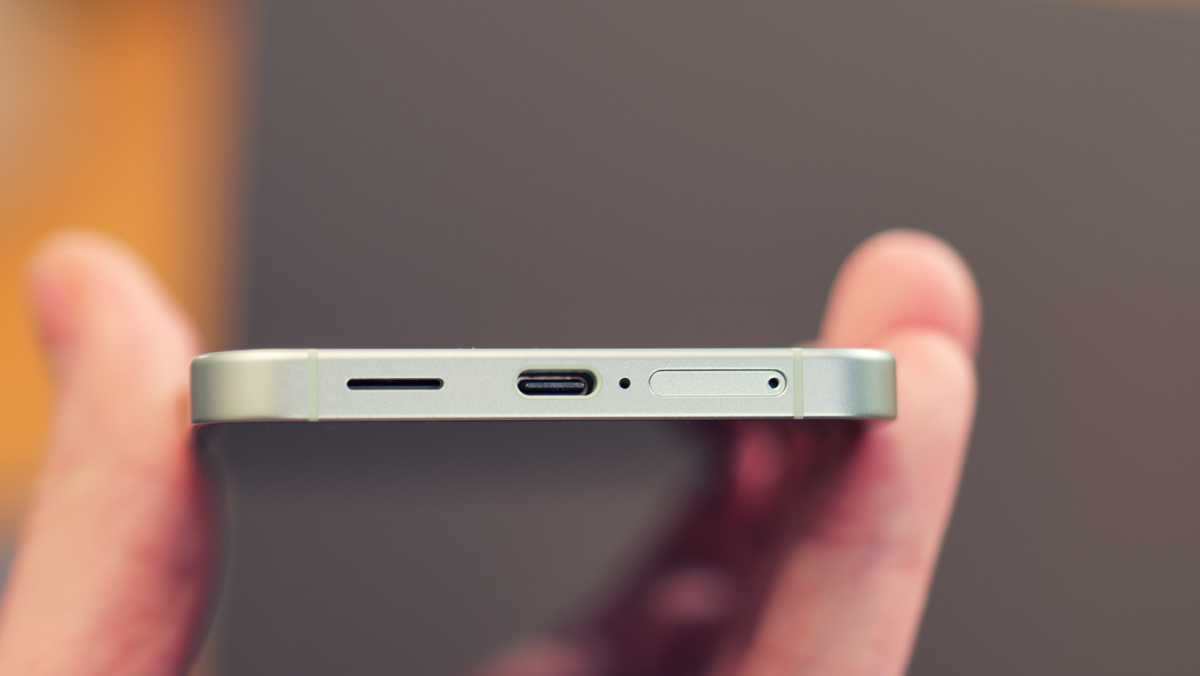
The S25 retains a 4000mAh battery with 25W wired and 15W wireless charging, allowing it to last a full day with moderate use.
The phone can go from flat to almost 60% charged in half an hour.
Luke Baker / Foundry
The S25+ increases the battery to 4900mAh, ensuring longer usage between charges. It’s also upgraded to 45W wired charging but maintains 15W wireless charging.
The phone can go from flat to 25% in 15 minutes, then 53% by the half-hour mark. A full charge takes around 85 minutes.
Luke Baker / Foundry
The Ultra packs in a 5000mAh battery, matching the S25+ with 45W wired charging but adding reverse wireless charging. Despite no increase in battery size, optimisations allow for slightly longer screen-on times compared to the S24 Ultra.
It can go from fully flat to around 70% charged in just half an hour. That other 30% takes just as long, and a full charge takes just over an hour.
Other differences
The S25 now offers up to 512GB storage option, matching the S25+. The Ultra goes up to 1TB. None of them, however, have expandable storage, so choose wisely.
What’s more, the Ultra remains the only one with an integrated S Pen, although Samsung has controversially removed its Bluetooth functionality.
Luke Baker
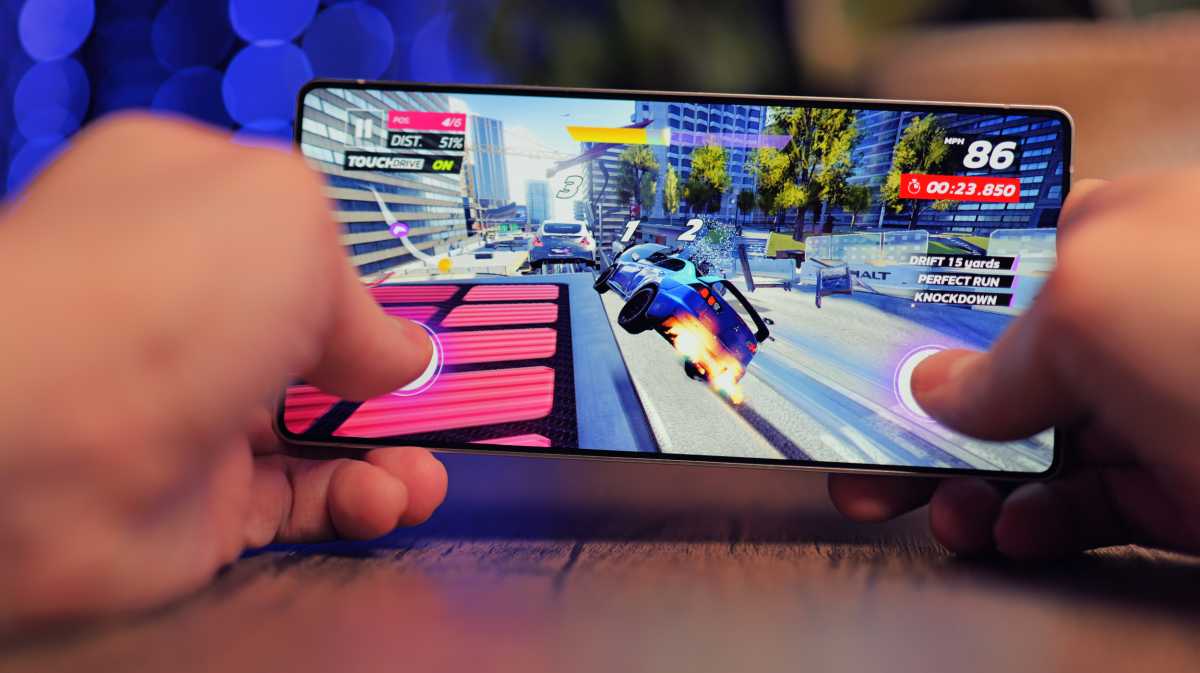
All models are powered by the Snapdragon 8 Elite for Galaxy and benefit from Samsung’s class-leading seven years of updates, ensuring great longevity.
In our Geekbench 6 multi-core test, the standard Galaxy S25 scored 9404 points, the Galaxy S25+ scored 9430 points and the Galaxy S25 Ultra scored 9413 points.
These are minimal differences, although it’s worth mentioning that the latter features a 40% larger vapour chamber for improved cooling during extended gaming sessions.
Price & Availability
The Samsung Galaxy S25 series is available to order now in most regions around the world. You buy the phone outright from Samsung UK or Samsung US , plus a range of third-party retailers.
The base model, with 128GB of storage, will cost you £799 in the UK and $799.99 Stateside. The 256GB model retails for £859/$859.99.
Bizarrely, the largest capacity 512GB model doesn’t seem to be available in the US, but it’ll cost you £959 in the UK.
The Galaxy S25+ starts at £999/$999.99 for a model with 12GB of RAM and 256GB of storage, though doubling the latter will cost £1,099/$1,099.99.
The Samsung Galaxy S25 Ultra is on sale now in most regions globally. The 256GB model costs £1,249/$1,299, the 512GB version is £1,349/$1,419 and the 1TB model will set you back £1,549/$1,659.
Have a look at our guide to the best Samsung Galaxy S25 deals for plenty of contract deals that can spread the cost. Also see our round-up of the best cases for the Galaxy S25 series .
Verdict
If you can afford the Galaxy S25 Ultra, it offers the best Samsung experience in a smartphone, thanks to its superior camera system, exclusive anti-reflective display, and S Pen functionality.
However, if you prefer smaller devices or have a tighter budget, the standard Galaxy S25 is an excellent choice, as it includes the same update support and AI features for much less.
Luke Baker / Foundry
The S25+ mainly adds a bigger screen and battery, which may not justify the $200/£200 premium for most users. Unless you specifically want a larger display but not the Ultra, the S25 is the smarter option.
Whichever model you choose, you’ll enjoy an excellent display, premium build, smooth software, and seven years of updates.
However, those coming from the S24 series may find little reason to upgrade, as many of the improvements are software-based and already expected for older models.
- Samsung’s AI-infused Galaxy S25 phones are its most capable handsets ever
- Samsung’s One UI 7 software debuts on the new Galaxy S25 series
- Samsung Galaxy S25 gets Qi2 wireless charging – but there’s a catch
- Samsung Galaxy AI: 5 brand-new features that I can’t wait to try
- Samsung’s Galaxy S25 Ultra beats Apple with new game-changing video feature
- 5 features that are exclusive to the Galaxy S25 Ultra
Author: Artur Tomala, Mobile Writer, Tech Advisor

Artur is a Mobile Writer at Tech Advisor, where he covers a range of smartphone, tablet and smartwatch-related topics. He has been working in the tech industry since 2021, including time spent leading a team focused on mobile news, reviews and product rankings. As an ambassador for the productivity app Notion, he runs training workshops and creates advanced templates to help people stay organised and productive.
Recent stories by Artur Tomala:
- How to set up a new Android phone
- Samsung Galaxy A26: Everything you need to know
- What is an eSIM and how does it work?
