I’ve been testing wearables for well over a decade now so I’ve seen the great, the good and the very bad. Sports watches have been at the heart of a lot of the good that’s happened in the space and it’s no surprise that pretty much all smartwatches now have sports tracking at their core.
The line between regular smartwatch and sports watch has certainly blurred over the years but as I’ve learned, outside of a few smartwatch exceptions, a sports watch remains the best option if you want to accurately track runs, rides, swims and everything in between. As a keen runner, swimmer and general fitness lover, it’s why I still opt for one.
Sports watches have been around for longer than smartwatches and one of the first I got to test was the Garmin Forerunner 235, a watch that was first released in 2015. This was a watch that mainly focused on tracking runs, and rides and was the first Garmin to pack the company’s own heart rate sensor technology. It had some smartwatch features too, with the ability to display phone notifications and control music playback the most notable ones.
In fitness app Strava’s most recent Year In Sport Trend Report , the Forerunner 235 (now no longer on sale from Garmin) was mentioned as the top watch upload device to the app. Three new generations of the Forerunner 200 series have launched since the 235, including the Forerunner 265 , so it had me thinking if I’ve could get by with a watch that’s roughly 10-years old that clearly is still pretty popular.
With a wrist to spare for a month, I wore the Forerunner 235 to track my workouts, races, be my smartwatch and fitness tracker and see how much I’d miss living with the much newer Forerunner 965, a watch that carries a lot of the same features as the latest Forerunner 200 series watch, the 265. So, here’s what I missed and didn’t so much living with a 10-year old Garmin watch.
What I didn’t miss
Having all of the smartwatch features
There was a clear moment when all sports watchmakers decided they needed to make their watches feel more like smartwatches. It was pretty much around the time the Apple Watch happened.
Mike Sawh
Garmin was the quickest of the sports watch establishment to react and now watches like the Forerunner 265 and 965 can stream music, pay for things, respond to text messages, and check your stocks.
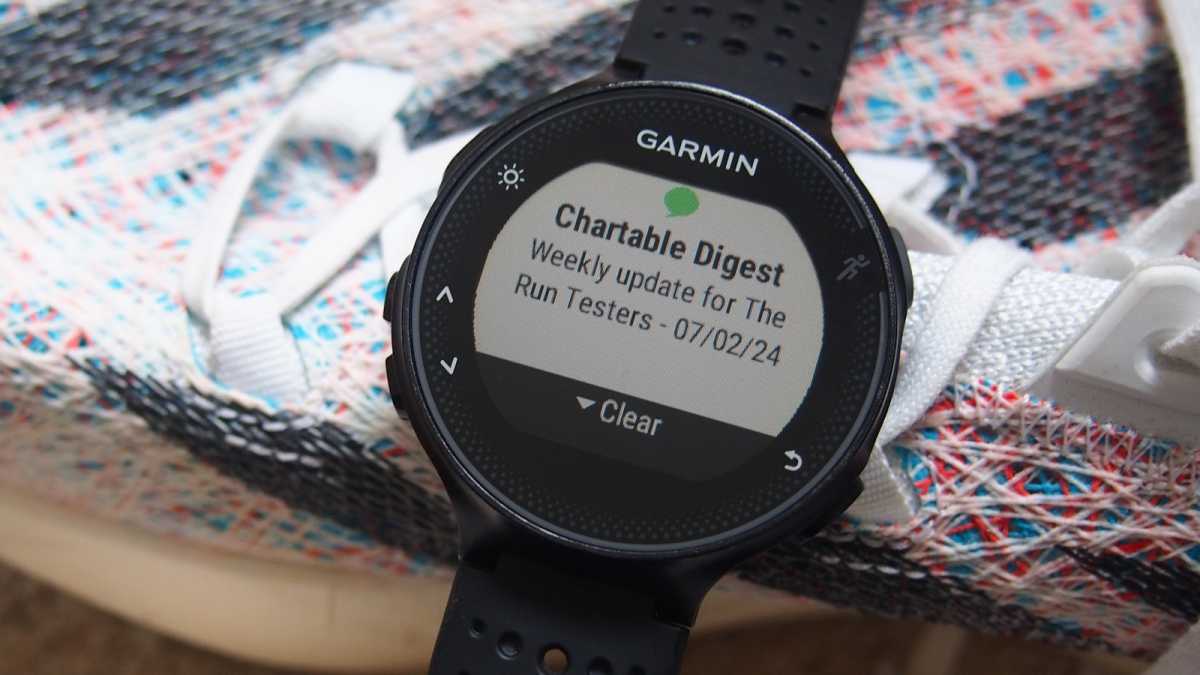
The Forerunner 235 can’t do most of those things. It can still display phone notifications, weather forecasts, control music playing on your phone and offers enough of those types of features that did still make it useful outside of my tracking time.
The notification support here while not spread across a colour screen was still suitable for quickly glancing at an incoming message and was a reminder that this the non-tracking feature I probably make most use of. It was more than good enough on the 235.
The battery life
This was an interesting one. Typically the norm is that if there’s one thing that improves with each new generation of a watch, it’s the battery life. Even as feature sets grow, the capability to handle them being used on a regular basis tends to be accounted for.
Mike Sawh
What I’ve come to expect is that unlike smartwatches, sports watches should be able to last you a week in between charges.
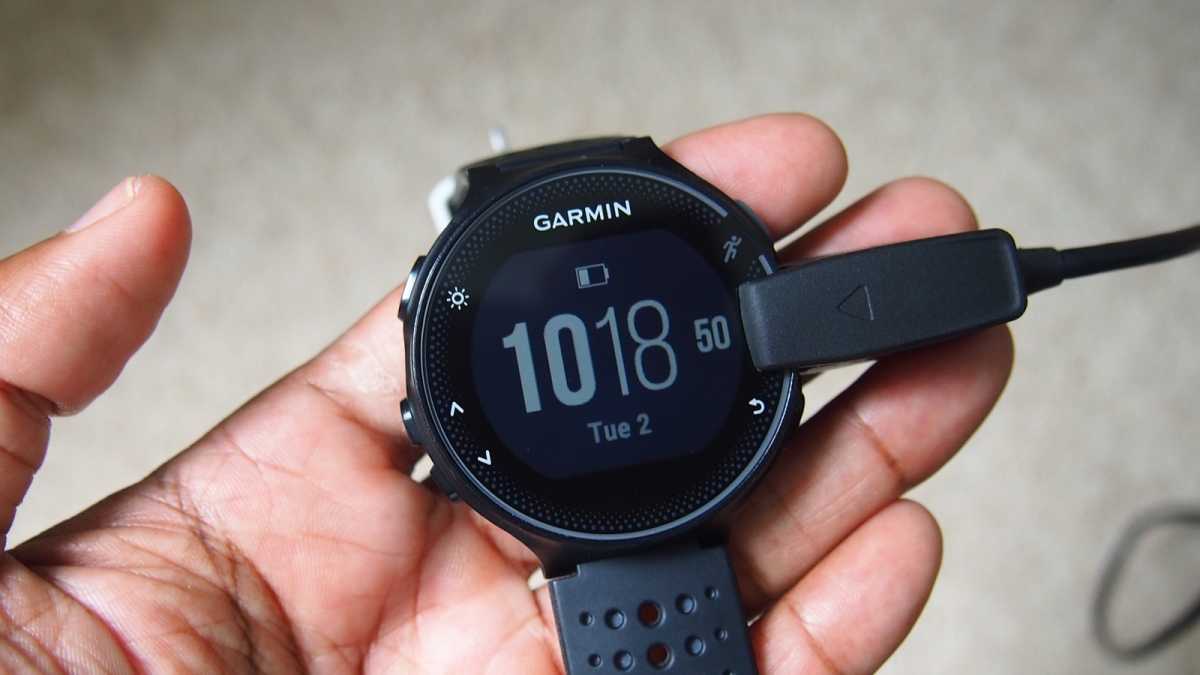
You’re going to be using features like GPS, heart rate monitoring and taking it to bed to track sleep on a regular basis, so a week between charges I can accept. The 235 has a promised battery life of up to 9 days and a GPS battery life of 11 hours.
Flash forward to the Forerunner 265 and it promises 13 days and up to 20 hours of GPS battery life. These numbers don’t account for the 265’s AMOLED screen and keeping that colour display on 24/7 however where that number drops below a week.
The 235 typically lasted a week for me before I had to grab the awkward clothes peg-style charging cable. That wasn’t far off what I’m used to with a newer Garmin with the only slightly irritating quirk is that when the battery is running low, you’ll be met with a message on-screen to tell you that, which is hard to budge if it happens mid-workout.
The colour screen
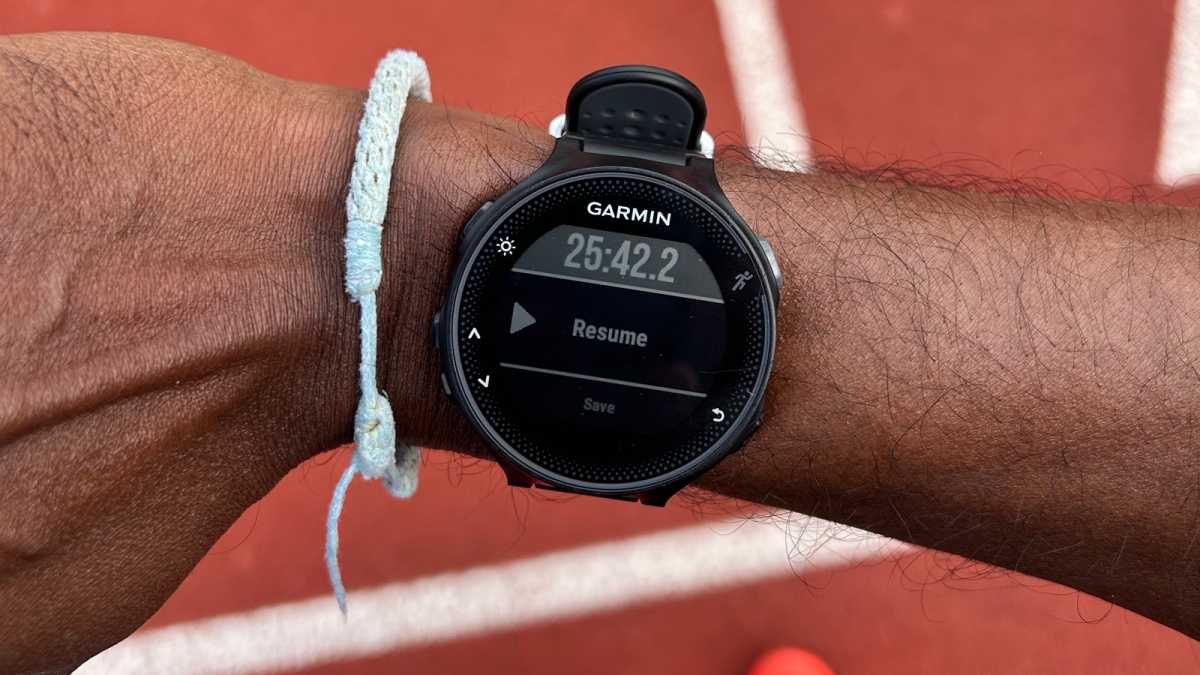
Things do look better in colour and smartwatches and the latest Garmin watches with AMOLED screens are clear proof of that, but it wasn’t the aspect that I felt made the 235 a poorer watch to use and was also a reminder that the transflective displays aren’t all that bad.
Mike Sawh
Especially when you’re playing with a simpler set of features and it’s really about making sure those features can shine on a less colourful display.
When I was tracking runs, checking notifications, checking my activity tracking stats or scrolling through the menus to check my workout history or pair a heart rate sensor, the 235’s duller screen felt just fine for me.
It’s also a reminder that there are plenty of sports watches that do still use this screen technology and it’s not a significantly poorer experience because of that lack of colour.
What I missed most
The morning reports
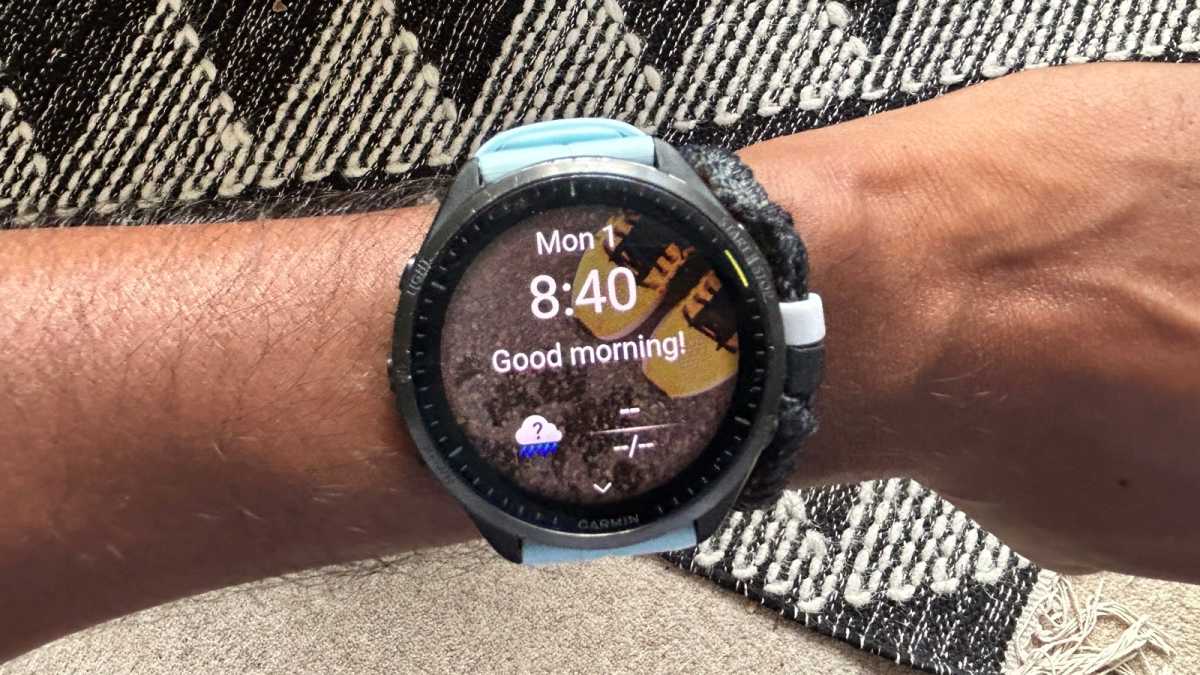
This is something I’m surprised to mention, but I missed Garmin’s new Morning Reports (pictured on Garmin Forerunner 965 below).
If you don’t own a Garmin that can display Morning Reports, it’s essentially a summary of information and data you see when you first glance at your watch when you first wake up.
Mike Sawh
It will tell you what your sleep was like, what the weather forecast is for the day and let you know how well recovered you are from a strenuous day.
Of all the smartwatch-like features that newer Garmins now offer, this is one that brings those smartwatch and tracking insights together in one really useful and intuitive way and the 235 is too old a device to be updated to support it.
Tracking non-running activities
It’s easy to take for granted something like the available activity profiles on offer on modern sports watches and smartwatches. The Forerunner is for runners first, but typically covers tracking for cyclists and generally swimmers as well.
Mike Sawh
When I’m not running, I do spend time swimming, using machines like indoor rowers and while I’m not fussed about a watch that can track general gym work, I do some of that as well too.
The latest Forerunners offers core sports tracking for running, cycling, swimming and model dependent, can also cover activities like using an Elliptical, hiking, yoga, strength training and the list goes on.
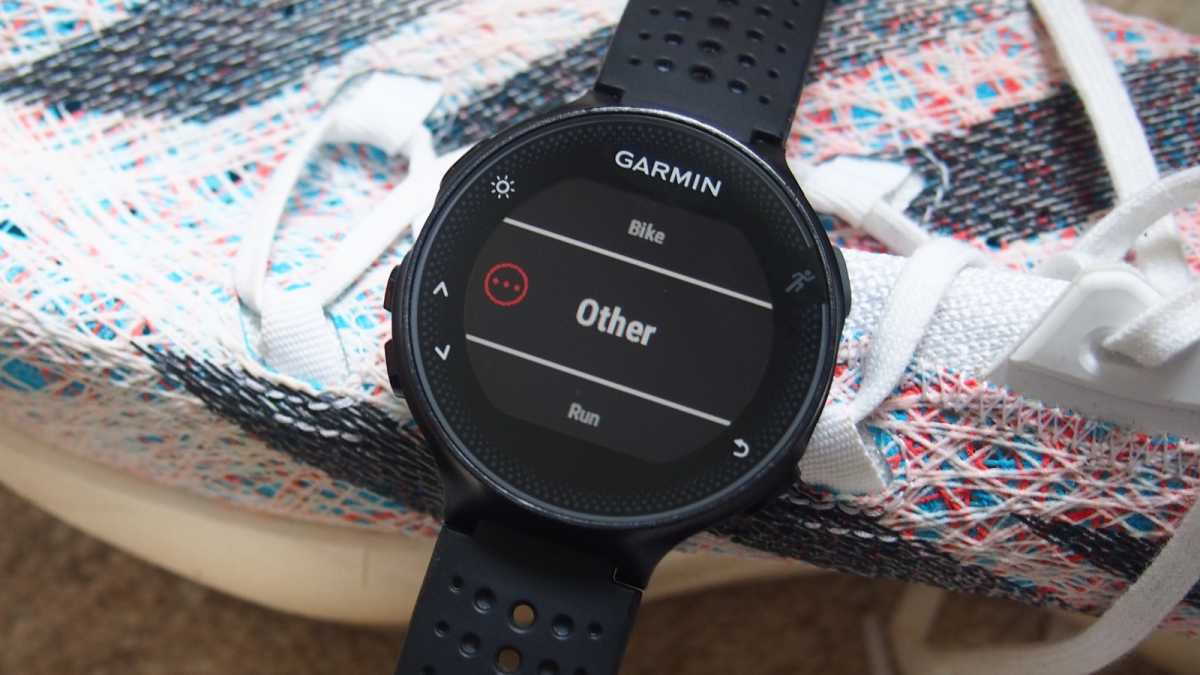
When it came to wanting to track some other non-running activities, selecting Other was my only option here, which meant tracking stats were reduced to capturing duration and heart rate. Not the metrics I wanted to necessarily want or need to have a record of when I was heading inside for an indoor row.
The heart rate and the GPS tracking accuracy
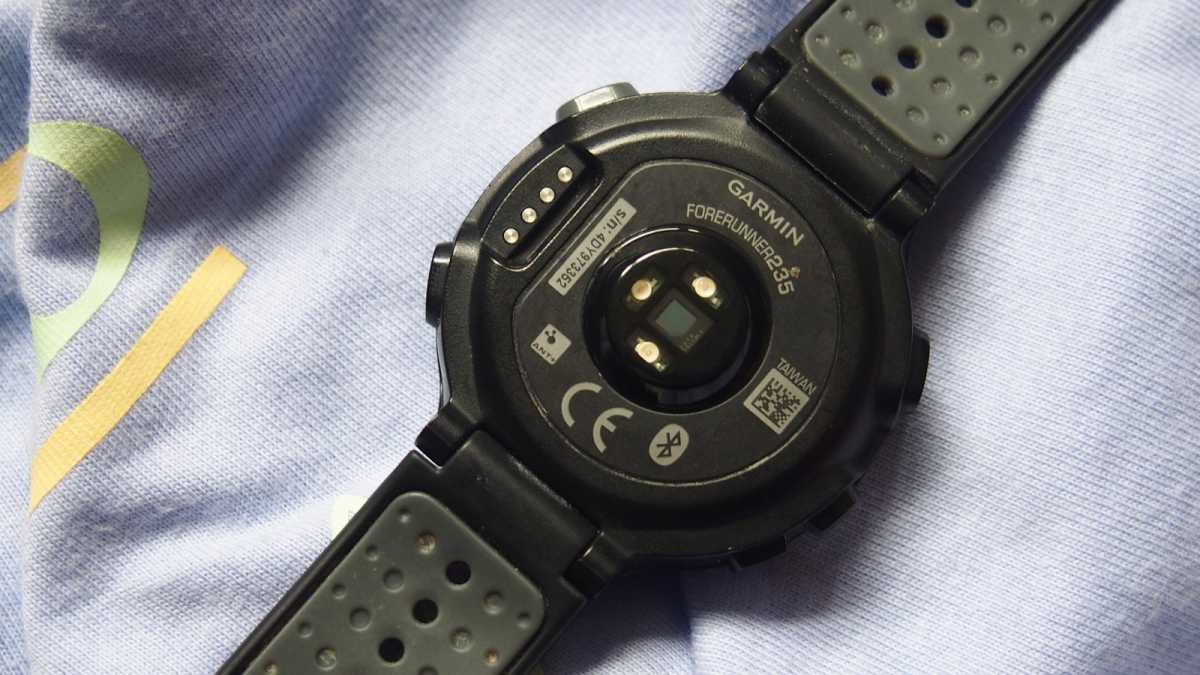
Now I’ll start by saying that when it comes to using this 10-year old sports watch to monitor your heart rate, it does give you the ability to pair an external heart rate monitor to it.
Mike Sawh
Even on newer watches I’d take that option if I was paying close attention to my heart rate data. I don’t really do a huge amount of heart rate-based training, but I do like to accurately measure for some workouts to get a better sense of my effort during a workout or if I’m using it for a race.
The Forerunner 235 was the first Garmin watch to use the company’s own Elevate optical sensor technology to track heart rate, so it was a breakthrough for Garmin that it was now putting its own sensor technology in its own watches instead of turning to other companies to do it instead.
Mike Sawh
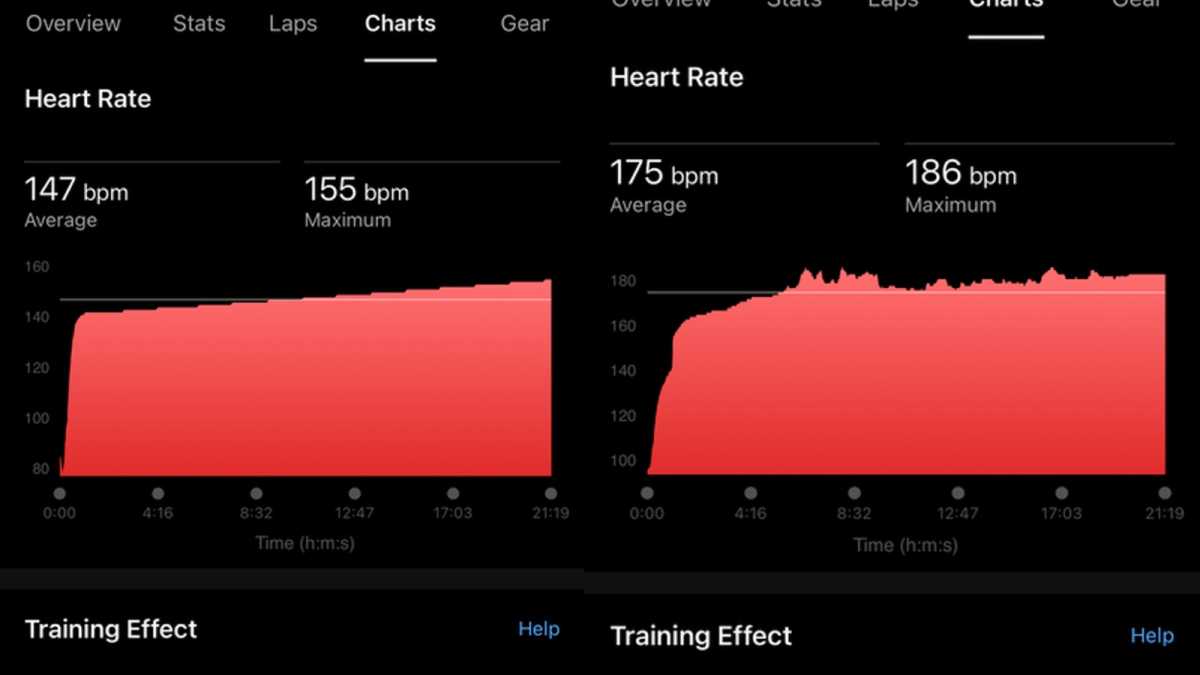
That being said, when you put it up against the latest version of Garmin’s sensor technology, you see how far things have come on the accuracy front.
The difference in accuracy from a newer Forerunner compared to an older one like the 235 was huge during my month of testing. The above is data from a tough Parkrun where the 235 (the left) suggested I wasn’t going as hard out as the sensor on the Forerunner 965 (right) clearly suggests. It was a hot day as well so I think I know which data I trust.
It was a similar story for GPS tracking. The latest Garmin watches and smartwatches like the Apple Watch Ultra 2 use dual-band technology that can communicate with satellite systems over multiple frequencies to boost the accuracy of GPS tracking where it can falter. So near tall buildings, in heavily wooded areas and in bad weather.
Mike Sawh
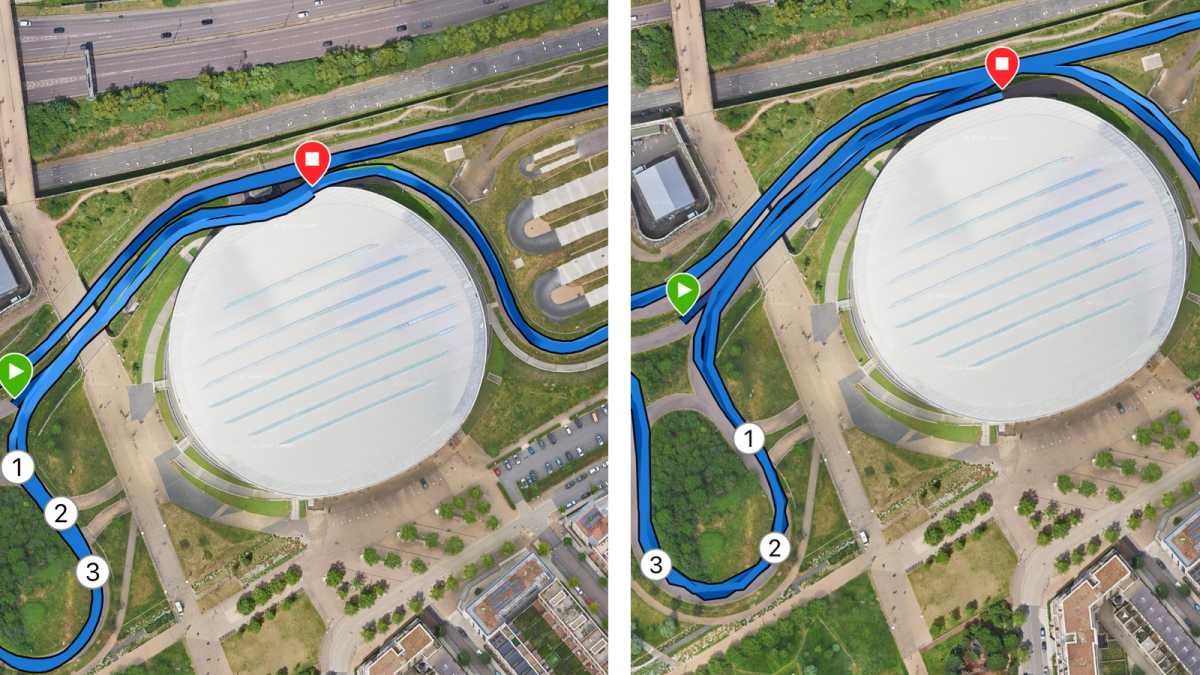
The 235 can communicate with two satellite systems on a single frequency band and even on a pretty clear, looped race course I used the watch for the difference in the plotted routes was there to see.
The screen on the left is from the Forerunner 235’s GPS, the one on the right is from a Garmin watch with dual-band GPS. If you care about GPS accuracy, it pays to have the latest-generation positioning technology on your wrist.
Swiping on a touchscreen
Along with the Morning Reports, this is another aspect of wearing a modern watch I thought I could get by without, but it was more a miss for me than having a colour screen.
I can think of countless times when I’ve wanted to dismiss a notification blocking my workout screen or move through data screens using a swipe instead of pressing a button. It’s the initiative thing to do these days.
Having buttons is still the way to go in my eyes for sports watches and they need to stay. They’re more reliable and they’re a method of control that just works. When you’re on the move or there’s a scenario when buttons aren’t the easiest thing to reach, there were a good few occasions where I wished I had a touchscreen to slide my fingers across.
Could I live with a 10-year old Garmin?
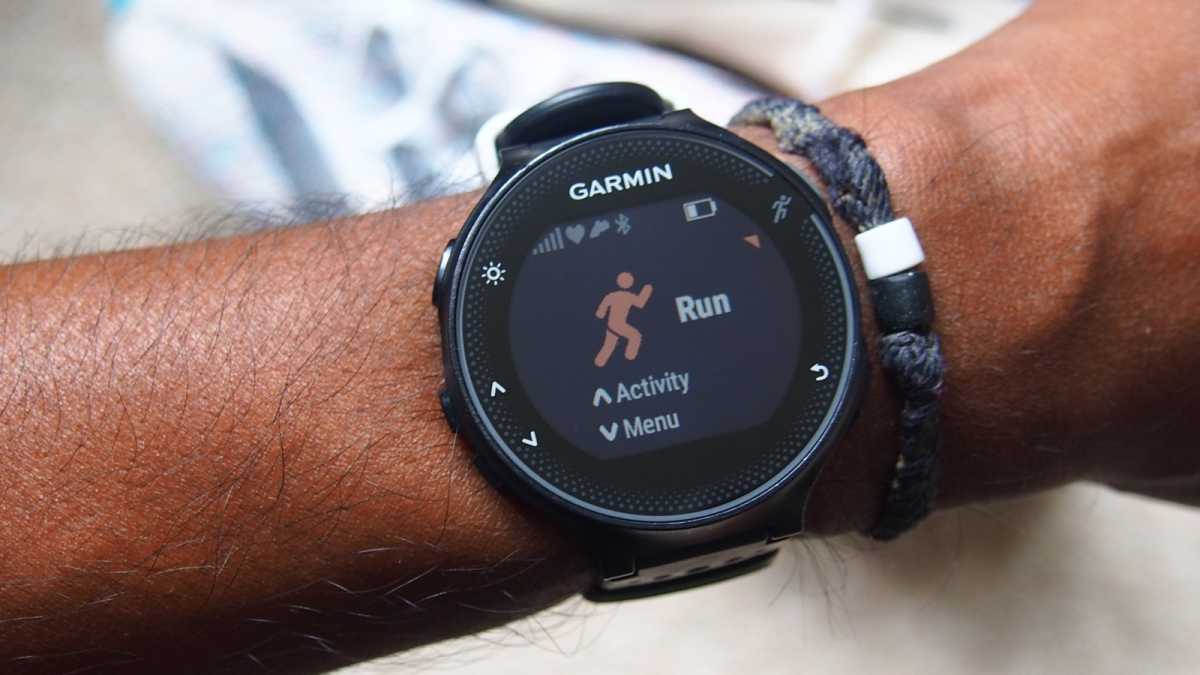
After a month spent with the Forerunner 235, I can comfortably say that it was a sports watch that largely did the job that I needed it to do. It was comfortable to wear day and night and had a screen that never felt limiting.
Mike Sawh
The battery life wasn’t far off newer watches I’ve tested and it had most of the things I needed to make it useful outside of tracking time. Crucially, the tracking performance, particularly for running (its main role), was good on the whole.
What mainly had me pining for a newer watch were some of the software extras you’ll never see on the 235 that I perhaps take for granted and didn’t realise how useful I’d actually found them.
There’s the accuracy factor as well as the level of sport tracking support that has radically improved since the 235 was on the scene. The GPS performance would cut it for most, but when you know how good things have got, it’s easy to miss something like that. It’s the same for heart rate monitoring.
Going back 10 years reminded me of the great progress that had already being made with sports watches the transition to making them feel more like smartwatches, something that needed to happen to keep up with the competition.
Could I live with a 10-year old Garmin? Yes, I could. Would I want to knowing what is now there in its place? Probably not.
Author: Mike Sawh, Contributor, Tech Advisor

Mike has been testing and reviewing consumer technology for over 10 years, specialising in wearable and fitness technology. He’s a keen swimmer and runner and co-founder of YouTube channel, The Run Testers.
Recent stories by Mike Sawh:
- Our 10 favourite budget smartwatches, vetted by tech experts
- Luna Ring Gen 2 review: A stylish and subscription-free smart ring
- Amazfit T-Rex 3 Pro review: Flashy upgrade for a likeable outdoor smartwatch
