Vivo just launched its latest flagship smartphones in China. They’re the X300 and the X300 Pro. In my opinion, Vivo’s X-series phones have offered the best photography experience in the last few years, so my expectations were sky-high.
This year, the lineup is slightly different. There’s no X300 Pro Mini; instead, the base model X300 comes in a compact, pocket-friendly size, but with many of the same features as the X300 Pro. In this article, I’ll be focusing on the Pro model, since it’s the one I’ve spent most time with, and it’s the most feature-packed.
So, what’s new?
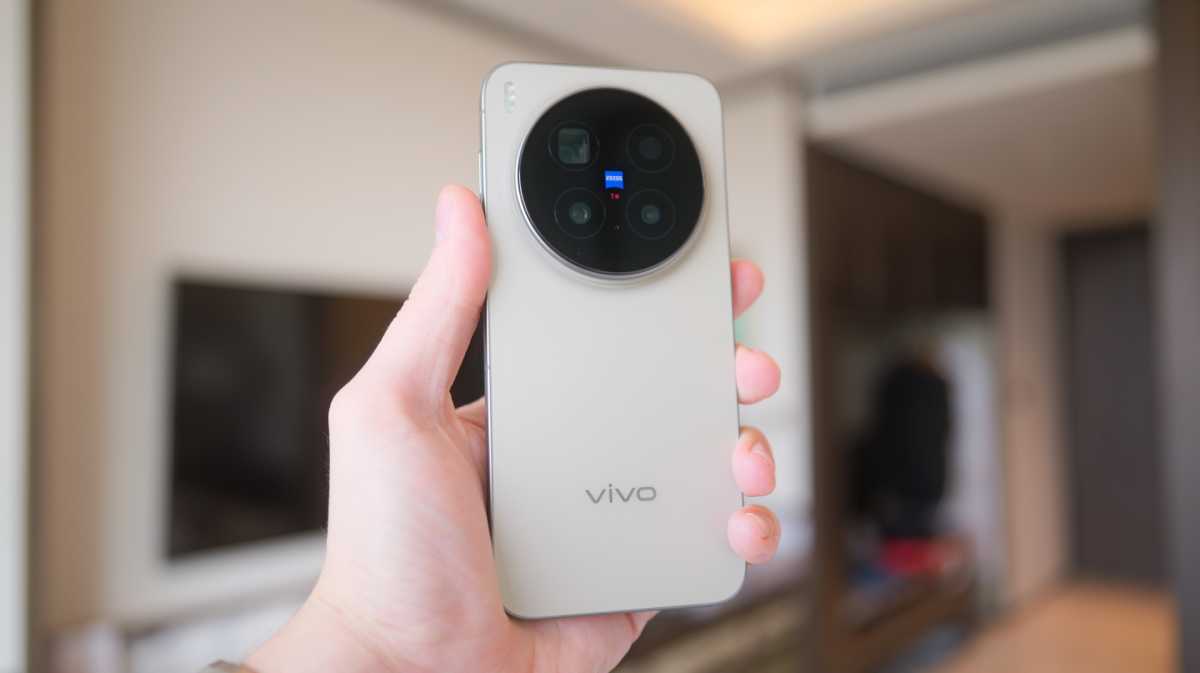
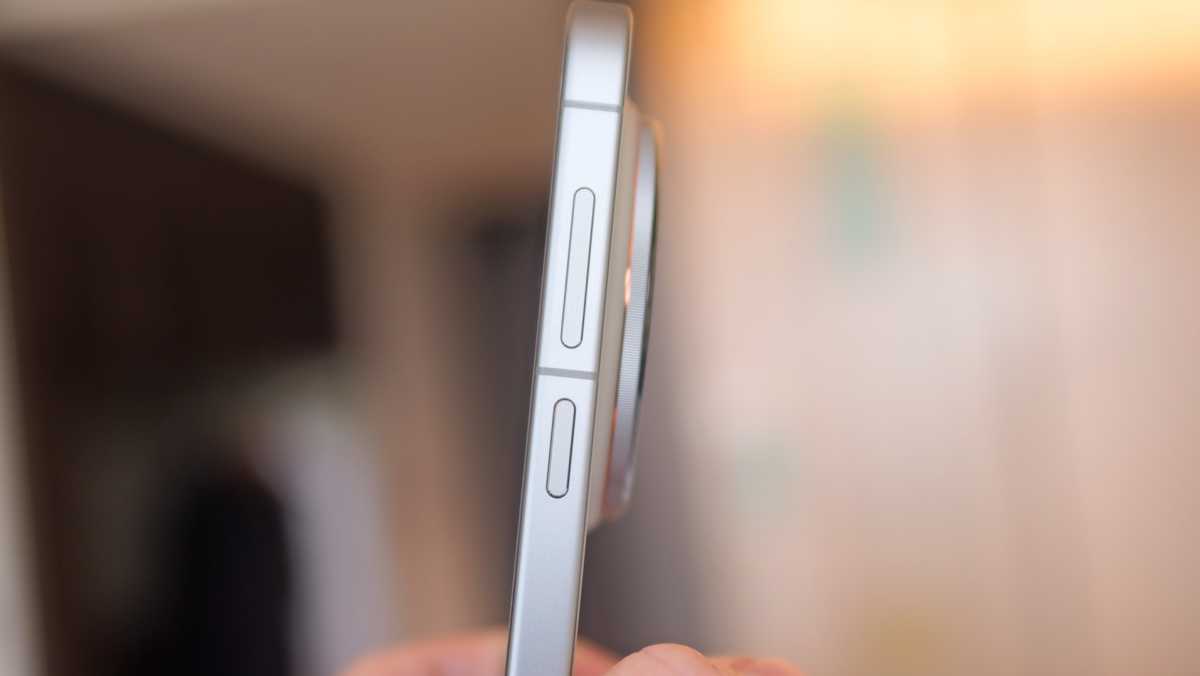
Starting with the design, the Vivo X300 Pro has ditched the curves and adopted a flat, boxy design. It’s very iPhone-like, and it even has its own Action Button on the left-hand side.
Luke Baker
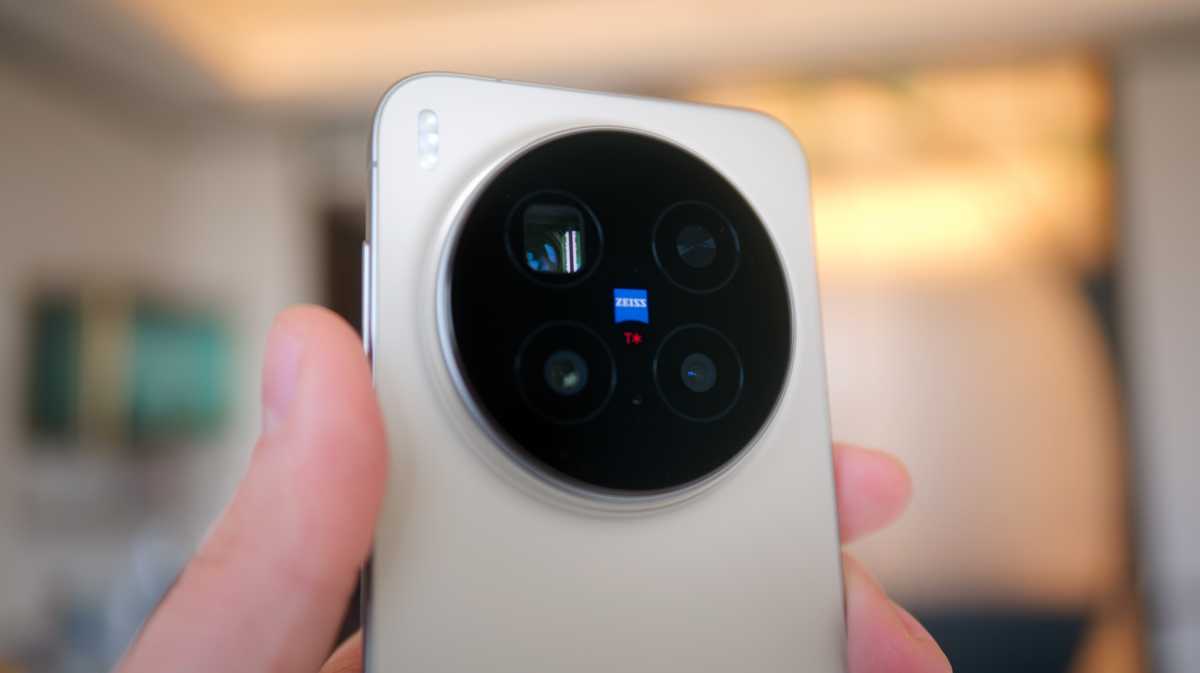
One thing that’s not so iPhone-like is the camera module. Vivo is sticking to its large, centrally placed circular camera array. It’s a prominent unit, but nowhere near as extreme as the China-exclusive X200 Ultra .
This model is one of the first to feature MediaTek’s brand-new Dimensity 9500 chip , which Vivo actually helped to develop. Rather than including a dedicated imaging chip, Vivo’s V3+ chip is built right into the Dimensity SoC.
This new configuration allows for millisecond-level autofocus and subject tracking, as well as super-advanced video features like 4K 120fps recording and portrait video effects at 4K 60fps.
Luke Baker
Of course, the cameras have seen a healthy upgrade, too. There’s a brand new 1/1.3-inch Sony main sensor with what Vivo is calling gimbal-grade stabilisation, and the famous 200Mp 1/1.4-inch telephoto sensor has been upgraded, too.
Vivo worked directly with Samsung to develop a new version of this sensor with better clarity, increased light-gathering capabilities, and boosted stabilisation. It was already leading the pack, but with all these developments and even better autofocus, it’s sure to be unmatched.
When it comes to the battery, it’s a little complicated. In China, the X300 Pro sports a 6510 mAh silicon carbon pack, and Vivo is extremely confident about its abilities. The brand’s internal testing shows it can outperform a lot of 7000 mAh+ phones, despite the lower capacity.
Luke Baker
However, when the phone launches internationally, some regions will receive a 5440 mAh battery. And indeed, the sample I’ve been testing has the smaller pack. It’s too soon to say how well this battery performs, but for the last couple of days, it has been sufficient enough.
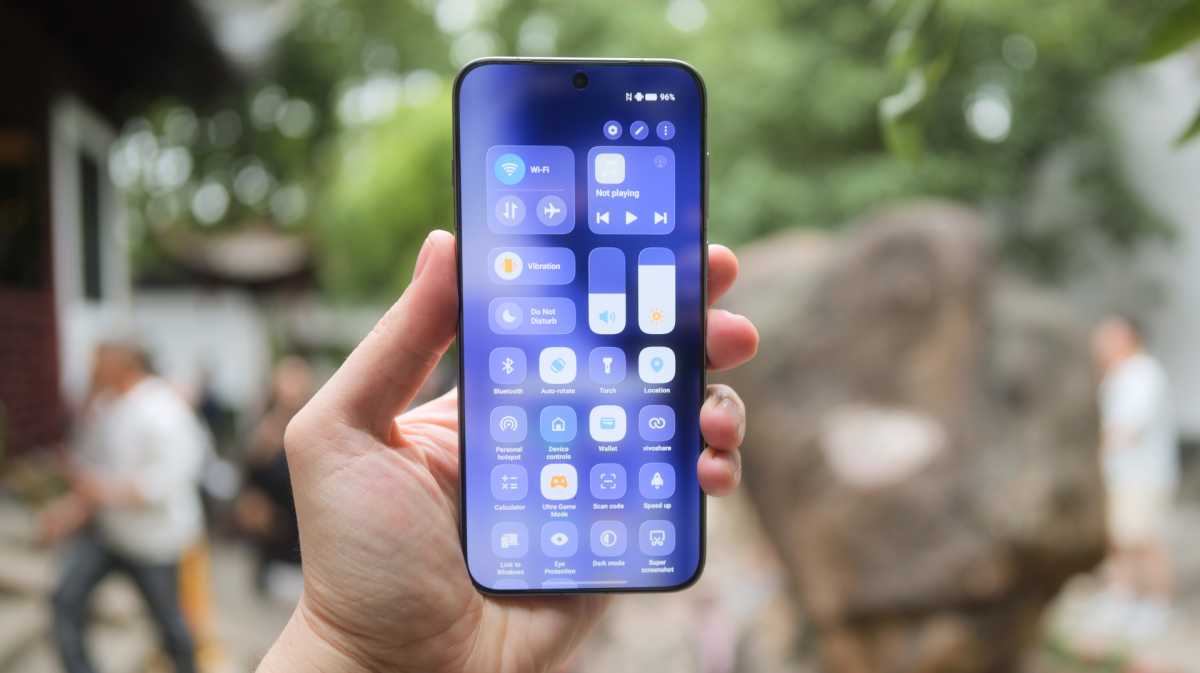
The software has also received a massive overhaul, and that’s especially true for the global market. For a while now, Vivo has been using Origin OS domestically and FunTouch OS internationally. Having used both, I can confidently say that Origin OS is superior. There are more features, the aesthetics are much nicer, and the performance is often better, too.
Luke Baker
With the X300 series, Origin OS goes global for the first time, and I couldn’t be happier. Origin OS 6 also comes with a visual overhaul, taking clear inspiration from Apple with its own Liquid Glass -like elements and even a Dynamic Island knock-off. Sure, it’s not particularly original, but if it looks good and performs well, I’m not complaining.
The photography kit
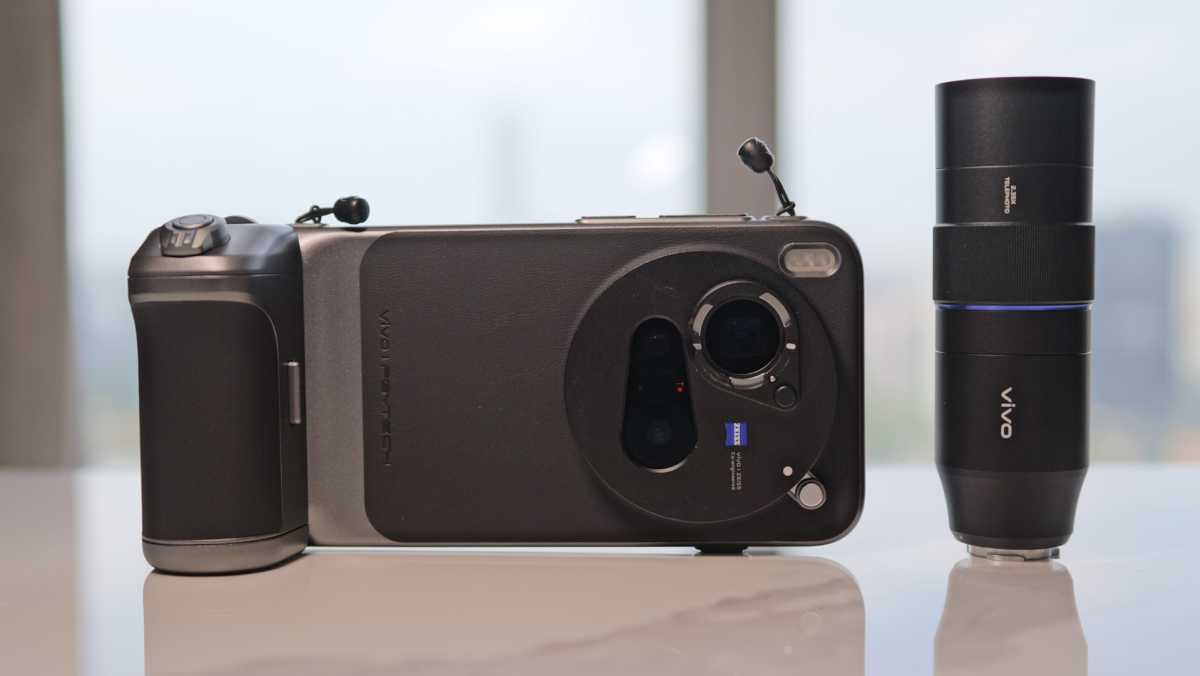
One of the most unusual things about the X200 Ultra was its optional photography kit and Zeiss teleconverter. It was a seriously impressive set of accessories, which I promptly fell in love with, but since the phone never launched outside of China, most Vivo fans were out of luck.
Luke Baker
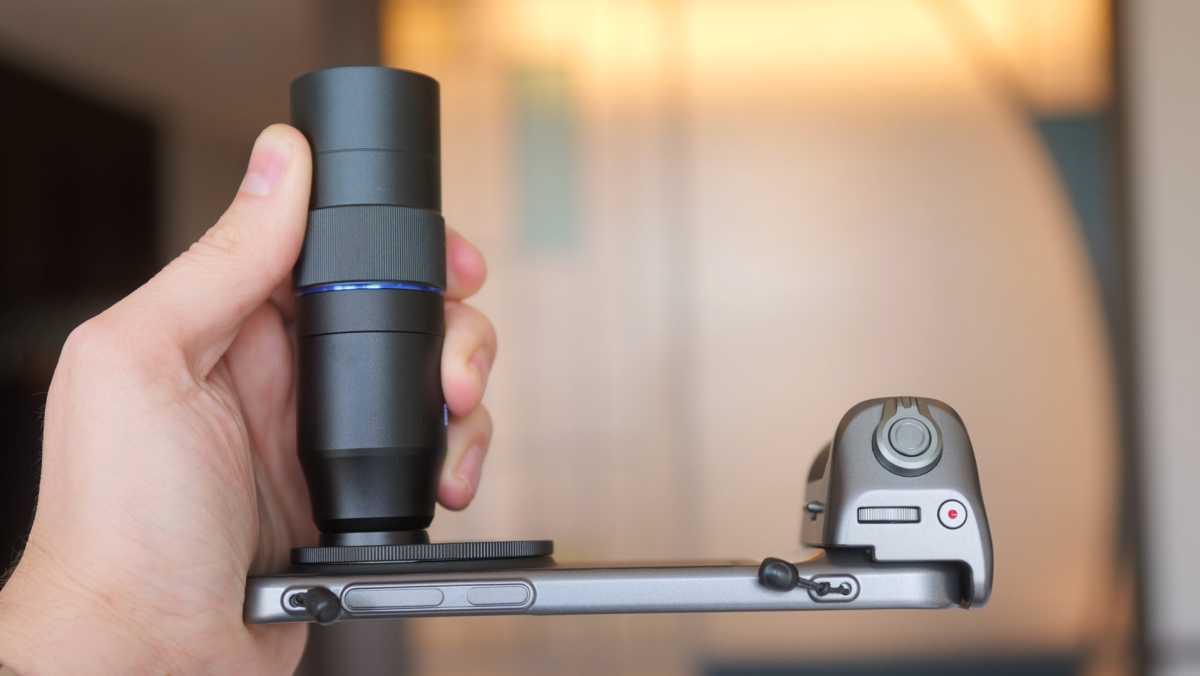
Now, though, both the X300 Pro and X300 get the photography kit treatment, and better yet, this version has been significantly improved. At a glance, the hardware is very similar, but the case is now more durable, the materials have been upgraded, and the lens affixes to the case much more securely.
If you haven’t seen this kit before, it essentially transforms the X300 Pro into a compact camera with a super-zoom lens. There’s an ergonomic grip with a two-stage shutter button and tactile controls, support for photographic filters, and even an included quick-release neck strap.
The star of the show is the Zeiss teleconverter, which attaches in front of the 85mm equivalent telephoto lens, adding a 2.35x magnification. The lens included in the kit is identical to the one that was available for the X200 Ultra, but that’s no bad thing, because the results are exceptional.
Luke Baker
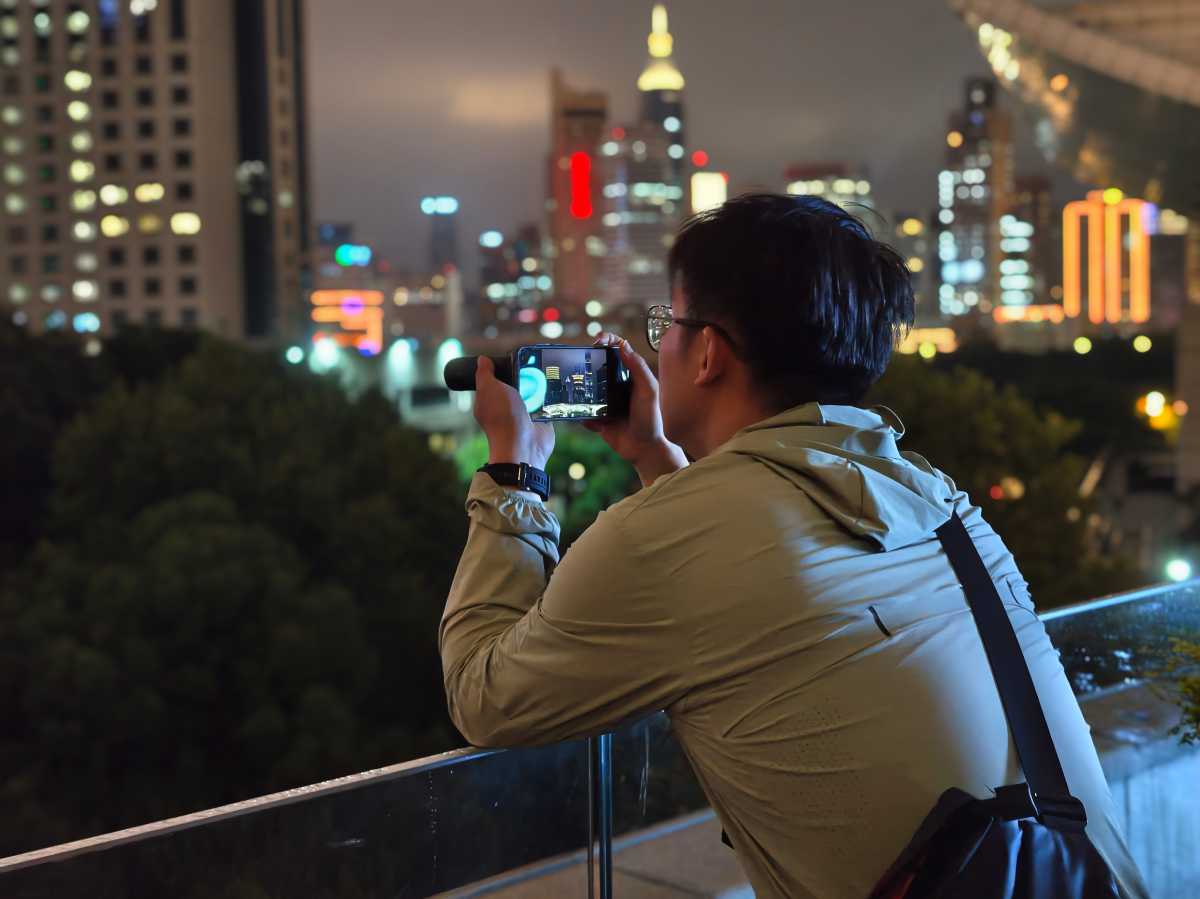
As you might expect, it adds a lot of clarity to long-range zooms, but I actually preferred using it with closer subjects. For middle-distance portraits, the compression of this long lens completely defocuses the background, making photos look like they were taken with a professional mirrorless camera.
The biggest upgrade here, though, is in the camera app. With the X200 Ultra, you could only use the teleconverter in the dedicated Telephoto Extender mode, but now it’s available to use throughout the entire camera app.
Luke Baker
This means you can shoot high-res 200Mp images with it, use portrait mode effects, and record in 4K 120fps and Log. All of these were off-limits on the previous model.
Camera performance
As I’ve mentioned, I’ve been a big fan of Vivo’s cameras for a few years now, so it’s no major surprise that I like the way photos look from the X300 Pro. The most impactful difference is the speed of the autofocus, which I noticed right away.
This autofocus helps immeasurably when using the telephoto extender. On the X200 Ultra, it used to hunt a lot before finding the subject, which meant it was very difficult to use for things like sports photography or birding. Now, though, those activities are much more feasible.
As usual, I found myself gravitating towards the 85mm, and it was perfect for capturing some candid street portraits. Meanwhile, the boosted stabilisation on the main lens makes for excellent video footage, and some of the best low-light in the business.

Luke Baker
The selfie camera has had a healthy upgrade this year, too. It has autofocus, for the first time on the Pro series, and it has finally received the Zeiss stamp of approval, which means you can use things like the Zeiss natural colour profile and bokeh simulations.
Of course, I’ve only had the phone for a couple of days, so there’s plenty more testing to do still, but on first impressions, this is an absolute stormer.
When can I get one?
As of right now, the global launch has only been teased and there’s no official date. However, I have the global version in my hands right now, so I would imagine that we won’t be waiting too long.
The bigger question is where the Vivo X300 phones will launch. Typically, we see the models land in a couple of European countries, but the UK is sadly not one of them.
I’ve got my fingers crossed that this will be the year that things change, but at this stage, I just don’t know. If you’re in the States, I can’t imagine Vivo will have a presence any time soon.
If there’s ever been a phone worth importing, though, this could be the one. And, of course, if it’s available in your region, you really should take these cameras for a spin.
Author: Luke Baker, Contributor, Tech Advisor

Luke is a freelance journalist who has been working in consumer electronics for over a decade. Previously Features Editor at Pocket-lint, Luke can now be found contributing reviews and features to a variety of publications, as well as running a YouTube channel called Neon Airship in his spare time. Luke loves anything that takes pictures, whether it’s a smartphone, camera or drone, and he also gets very excited about the latest VR and AR tech.
Recent stories by Luke Baker:
- Sony Xperia 1 VII review: When unique isn’t enough
- Oppo Find X9 Pro review: I think I’m in love
- Google Pixel 10 Pro Fold vs Samsung Galaxy Z Fold 7: Which to buy?
