What if I told you that you could be paid for a phone that you bought years ago, and you could still keep it? It sounds too good to be true, but that may become a reality for an estimated 29 million consumers in the UK.
Consumer rights organisation Which? launched a major lawsuit against Qualcomm in January 2024, arguing that the US chipmaker had been engaging in anti-competitive behaviour. The first of two potential trials begins in London today, lasting five weeks.
Which? argues that Qualcomm used its position of dominance in the chipset market to refuse to license its silicon to some phone makers and require others to pay much higher rates than is lawful.
The latter applies to Apple and Samsung. Which? believes both were forced to pass on these extra costs to consumers, who therefore paid more than they should have.
If found liable, Qualcomm would be ordered to pay an estimated £480m in damages, which would be shared among everyone who bought an iPhone or Samsung Galaxy phone between 1 October 2015 and 9 January 2024.
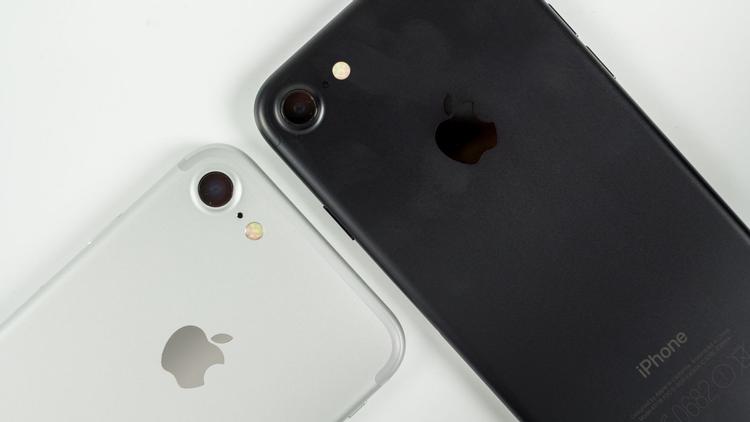
2016’s iPhone 7 is among the eligible devices.
Foundry
To be eligible, there’s only one other criterion: that you purchased it directly from the manufacturer or via an approved third-party retailer or network operator. Essentially, if you bought your phone new, this potential payout should apply to you.
If Which? is ultimately successful, the total payout per consumer is estimated to be around £17 – less than a round of drinks at the pub.
But the ubiquity of iPhones and Samsung Galaxy handsets during this time period means that multiple members of your family may be eligible. So, the total payout could really add up.
However, the trial is less about money and more about the potential precedent it could set. Which? CEO Anabel Hoult describes it as “a huge moment”, adding that it would prove that the power of consumers “can be used to hold the biggest companies to account if they abuse their dominant position”.
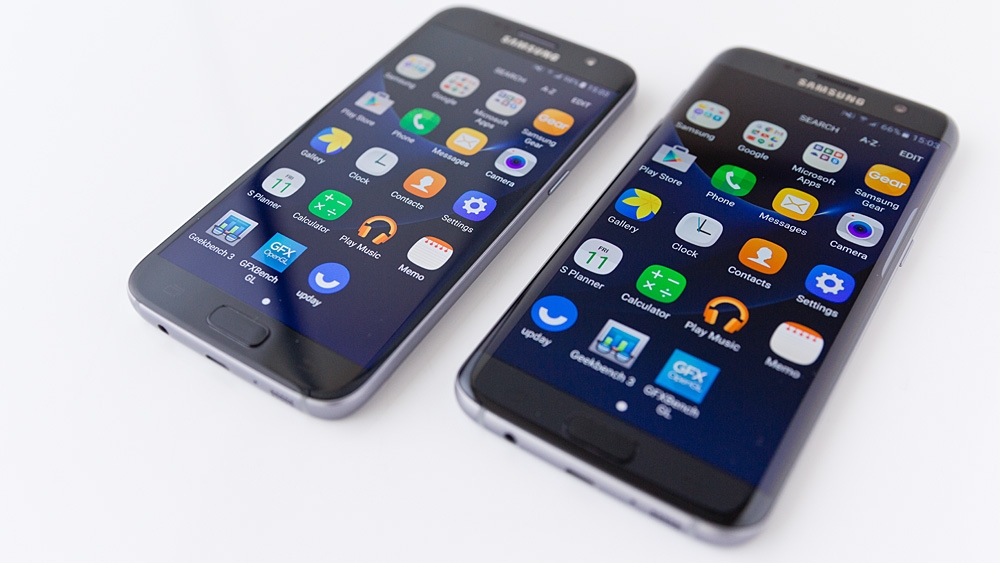
The Samsung Galaxy S7 and S7 Edge are among the earliest devices this lawsuit applies to
Foundry
Plenty has to go right for Which? and wrong for Qualcomm to reach that stage, though. In this first trial, Qualcomm must be adjudged to have held market power and then abused its position as a dominant company.
If found guilty, a second trial would then be launched to determine how much damage this anti-competitive behaviour has caused. Which? estimates this to be around £480 million, but this may change significantly.
However, even if Which? is successful, don’t pin your hopes on a payout. The organisation acknowledges that there’s “no guarantee” of compensation.
Author: Anyron Copeman, Mobile Editor, Tech Advisor

Anyron is Mobile Editor at Tech Advisor, where he’s been a mainstay of the editorial team since 2019. In his current role, Anyron is responsible for all smartphone, tablet and mobile network coverage on the site. A BA Journalism graduate, he has experience with a wide range of consumer tech products and services, including smartphones, tablets, foldables, wearables and more.
Recent stories by Anyron Copeman:
- The truth: Android 17 won’t matter to most people
- I missed you, Pixel 10 Pro XL
- These are the best Xiaomi phones you can buy right now
