The new Pixel 9a is here, and it’s gunning for the mid-range phone crown. But with this latest release, I believe Google is targeting a new potential customer: existing iPhone users.
Let’s look at the evidence.
In many ways, the Pixel 9a is the closest thing we’ve ever seen to an iPhone that runs Android. Curved edges, a relatively compact design and dual rear cameras are very reminiscent of the regular iPhone 16 . If you took the Google logo off the back, many people would be unable to tell them apart.
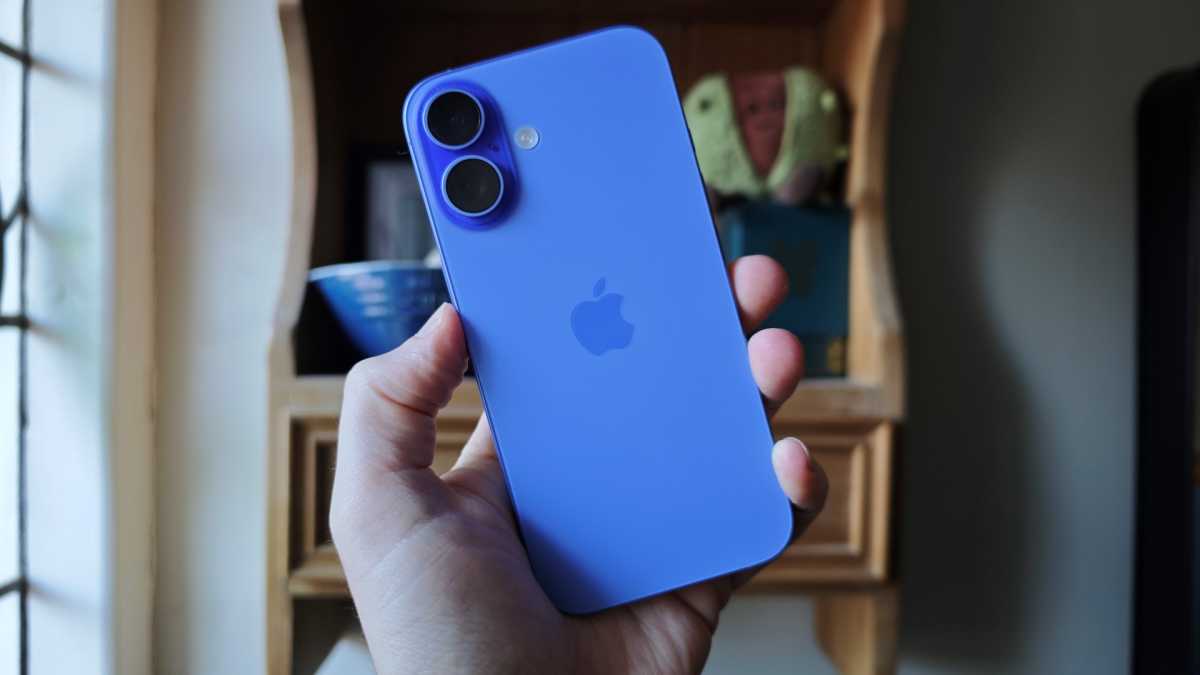
The iPhone 16 has a lot in common with the Pixel 9a
Chris Martin / Foundry
Of course, although Android 15 is quite different to iOS 18 , Google and Apple’s software experience has become a lot more aligned in recent years. Provided you’re not heavily invested in the Apple ecosystem, you shouldn’t run into many issues when switching from Android to iPhone .
The best part? The Pixel 9a starts at just £499/$499 at launch. Not only is that £200/$200 cheaper than the regular iPhone 16 , it’s also £100/$100 less than the iPhone 16e , which has vastly inferior specs.
Sure, you’ll have to give up iMessage and FaceTime, but there are plenty of great alternatives in 2025. If the Pixel 9a performs as its specs suggest, it’ll be an easy recommendation…including to many current iPhone users.
And, from a purely practical sense, the Pixel 9a has plenty else going for it.
The relatively compact design will appeal to many people in an era of huge phones. Retaining the Pixel 8a’s impressive display and class-leading cameras is no bad thing, while Google has addressed one of that phone’s key weaknesses – battery life.
On the software side, Android 15 is packed with AI features, including Google Gemini . Pixel phones are also the first in line for future updates, which will continue for a full seven years.
It’s a compelling package that’s likely to tempt plenty of people away from other Android phones . But it also makes switching from an iPhone easier than ever before.
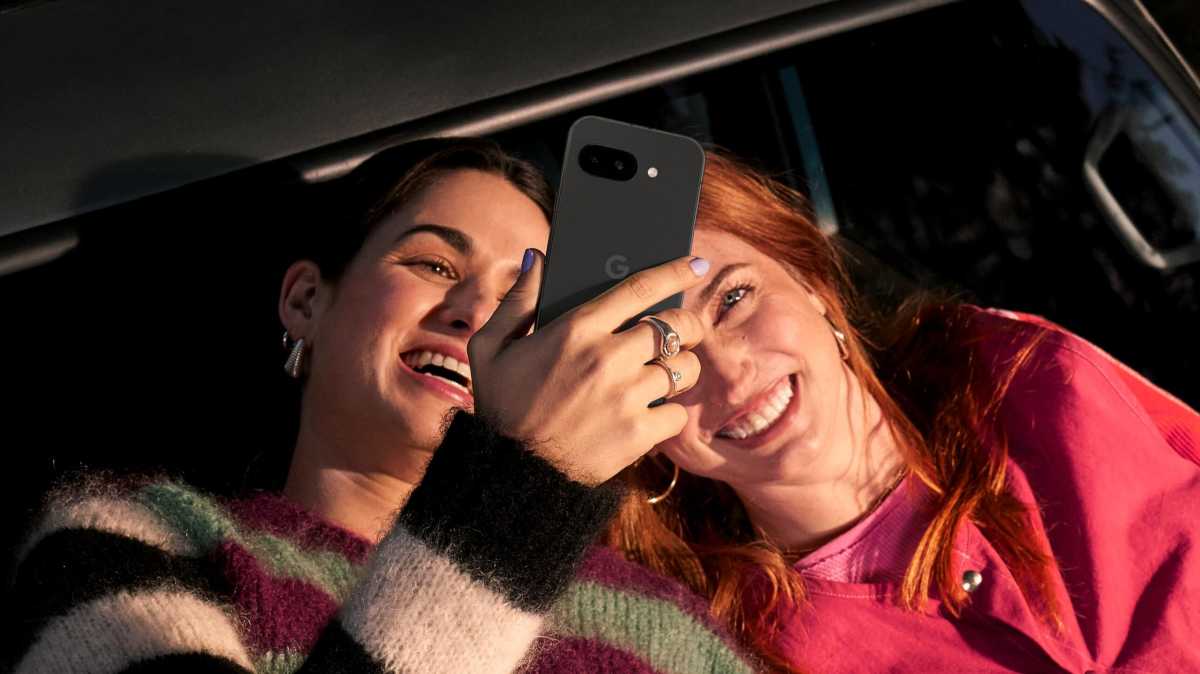
However, as som eone who reviews phones for a living, I find the Pixel 9a to be an underwhelming update. Compared to last year’s Pixel 8a , the only real improvements are a move to the latest Tensor G4 chipset and a larger 5100mAh battery.
The phone has also lost a lot of its personality. Instead of the Pixel 8a’s visor-style rear camera module or the Pixel 9 series’ large pill-shaped design, the 9a’s dual cameras (48Mp main, 13Mp ultrawide) appear to sit almost flush with the back of the phone.
And the rest of the design is about as generic as it gets. The 6.3-inch Full HD+ (1080 x 2424) pOLED display is totally flat, sitting within a slim bezel and rounded corners. It’s a tried-and-tested formula that we’ve seen on countless phones recently.
So, for phone enthusiasts like myself, there’s very little to get excited about. If you’re in the market for a unique or innovative phone, this ain’t it. If that’s a priority for you, the Nothing Phone (3a) and (3a) Pro are much better mid-range options.
- Google Pixel 9a release date, pricing and specs
- This Pixel 9a feature is better than most flagship phones
- Google Pixel 9a: 5 key upgrades over the Pixel 8a
- Is the Pixel 9a worth the upgrade? Here’s how it compares to the Pixel 8a
- Should you buy the Google Pixel 9a or Samsung Galaxy A56?
- Best Pixel 9a deals
Author: Anyron Copeman, Mobile Editor, Tech Advisor

Anyron is Mobile Editor at Tech Advisor, where he’s been a mainstay of the editorial team since 2019. In his current role, Anyron is responsible for all smartphone, tablet and mobile network coverage on the site. A BA Journalism graduate, he has experience with a wide range of consumer tech products and services, including smartphones, tablets, foldables, wearables and more.
Recent stories by Anyron Copeman:
- The truth: Android 17 won’t matter to most people
- I missed you, Pixel 10 Pro XL
- These are the best Xiaomi phones you can buy right now
