Have you always liked the look of Sky Glass , but have not been able to commit due to the price? If so, there’s a new TV coming that may be what you’re looking for – and it launches very, very soon.
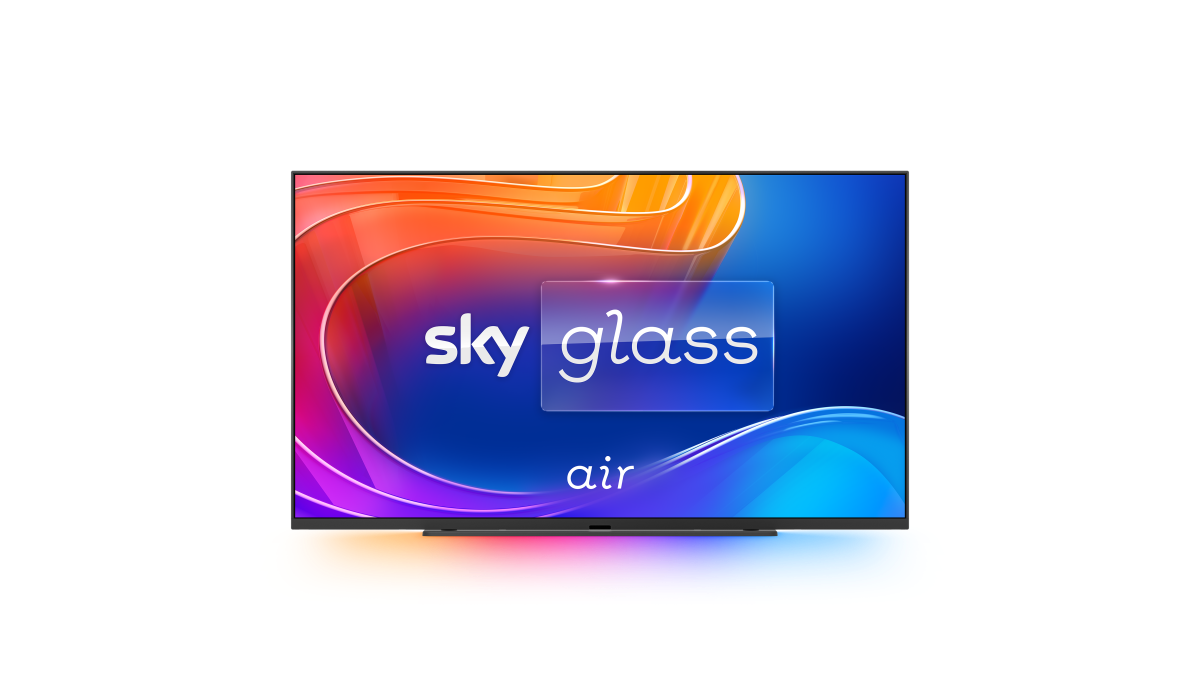
At the launch of the Glass Gen 2 , Sky made a surprise announcement that a cheaper model would be added to its portfolio of entertainment products. The TV will be called the Sky Glass Air. Sky has since revealed more, including the release date and price, and answers to questions we had about the specs.
When is the Sky Glass Air release date?
Set your alarms, because the Sky Glass Air is launching on Tuesday, 10 June 2025 . It will be available to purchase both directly from Sky and via Currys , both online and in store (and via Sky’s call centres).
That’s around four months after the Sky Glass Gen 2 was introduced.
Sky
How much is the Sky Glass air?
The headline figure you’ll see most places is that the Sky Glass Air starts from a very affordable £6 per month. However, that is for the smallest model on the longest contract. If you opt for a bigger TV, a shorter term or choose to buy your model outright, you’ll pay more.
Here is a breakdown of the prices:
Sky Glass outright costs
- 43-inch: £309
- 55-inch: £509
- 65-inch: £649
Sky Glass 24-month contract costs
- 43-inch: £12 per month (£288 total cost)
- 55-inch: £20 per month (£480 total cost)
- 65-inch: £26 per month (£624 total cost)
Sky Glass 48-month contract costs
- 43-inch: £6 per month (£288 total cost)
- 55-inch: £10 per month (£480 total cost)
- 65-inch: £13 per month (£624 total cost)
The contracts are obviously cheaper, but you will then be locked in with the TV for a longer period.
For reference, these prices are roughly half the price of the regular Sky Glass. The 48-inch version is generally over half price, while the other two models are slightly over. You can find more about the differences between the two models below.
On top of the TV hardware, you’ll have to pay for your entertainment, which starts from £15 per month for the Essential TV package , which includes Sky Atlantic, Netflix Standard with Ads, Discovery+ and free-to-air channels such as BBC, ITV, Channel 4, Sky News and Sky Arts.
If you want more channels or features such as ad-skipping, this will increase the price of your plan. For example, you can instead choose Sky Ultimate TV, which adds channels such as Sky Max, Sky Comedy, Sky Documentaries, Sky Crime, Sky Showcase and Sky Witness.
So, the least you’ll pay all in will be £21 per month, but your contract will likely be more than this. Either way, it’s still more affordable the standard Sky Glass and a great jumping point for anyone looking to buy Sky for the first time.
Hannah Cowton-Barnes / Foundry
What is the design of the Sky Glass Air?
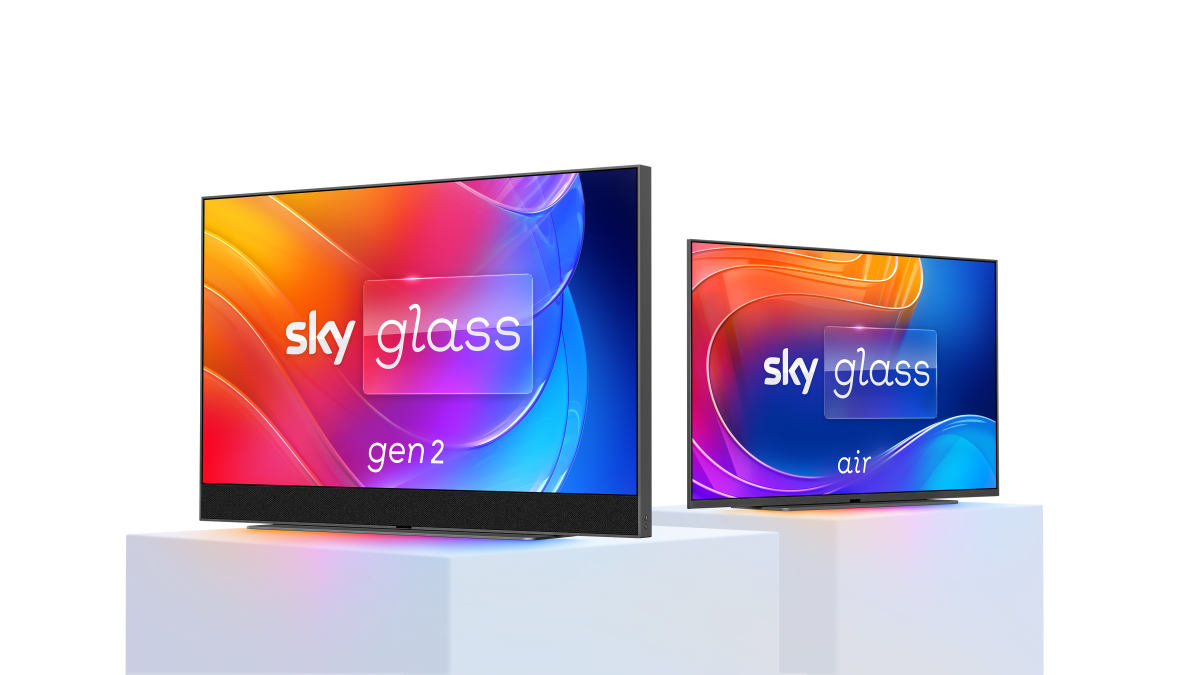
You’ll be able to get the Sky Glass Air in three sizes: 43-inch, 55-inch and 65-inch. They’re the same options available on the regular Sky Glass Gen 2.
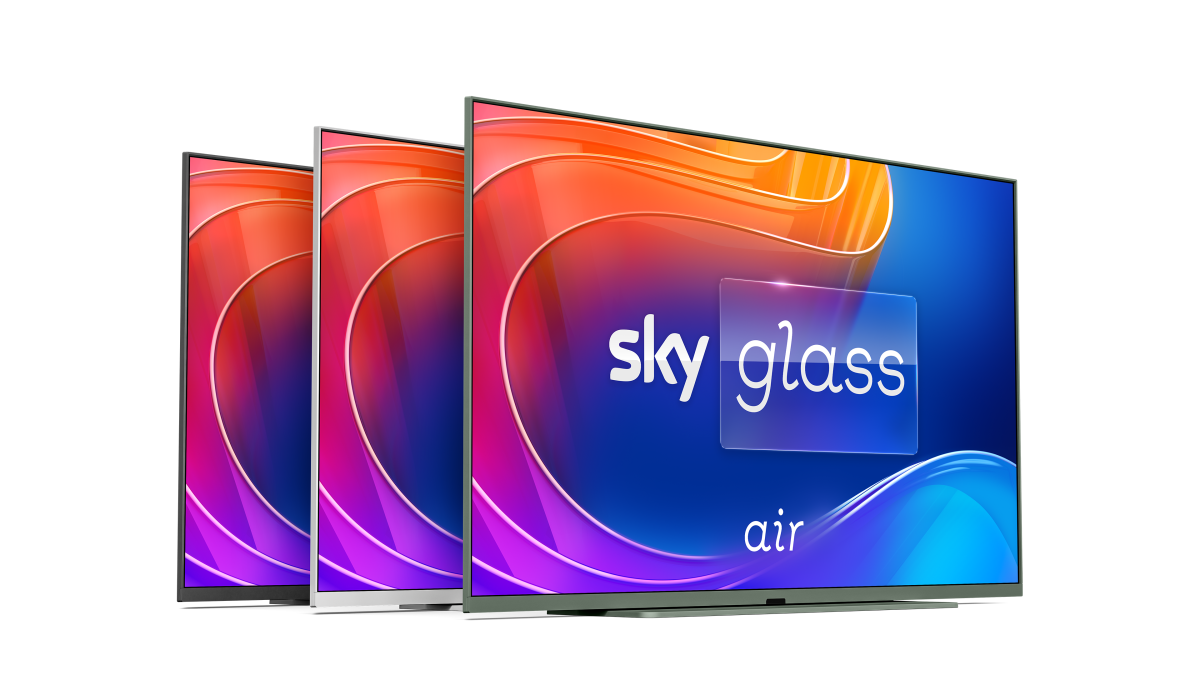
There’s a choice of three colours: Cotton White, Carbon Grey and Sea Green. The models have some notable changes compared to the flagship Sky TVs.
Sky
The first thing you’ll notice is that the built-in soundbar is gone, meaning that there’s a smaller bottom bezel. The frame is made from plastic rather than aluminium, but having seen it in person, it still looks sophisticated and stylish.
The Air is lighter than the main model. The build is thinner, though exact dimensions aren’t yet available. There is still a centre stand that houses the TV, which uses the same pronged build for easy set-up – one of the things we loved about the Gen 2. It can also be wall-mounted.
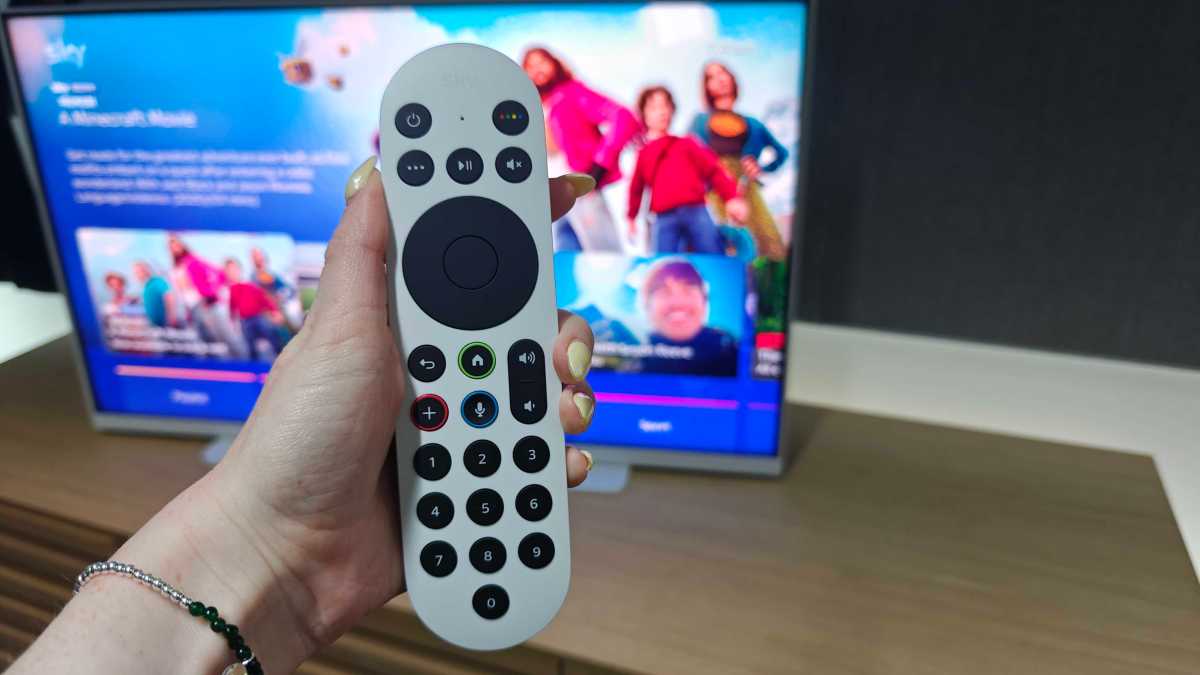
The remote is very similar to the one on Sky Glass, so you’ll be able to use voice control. However, the auto-wake feature isn’t available (the option for the TV to turn on when you walk into a room).
What are the specs and features of the Sky Glass Air?
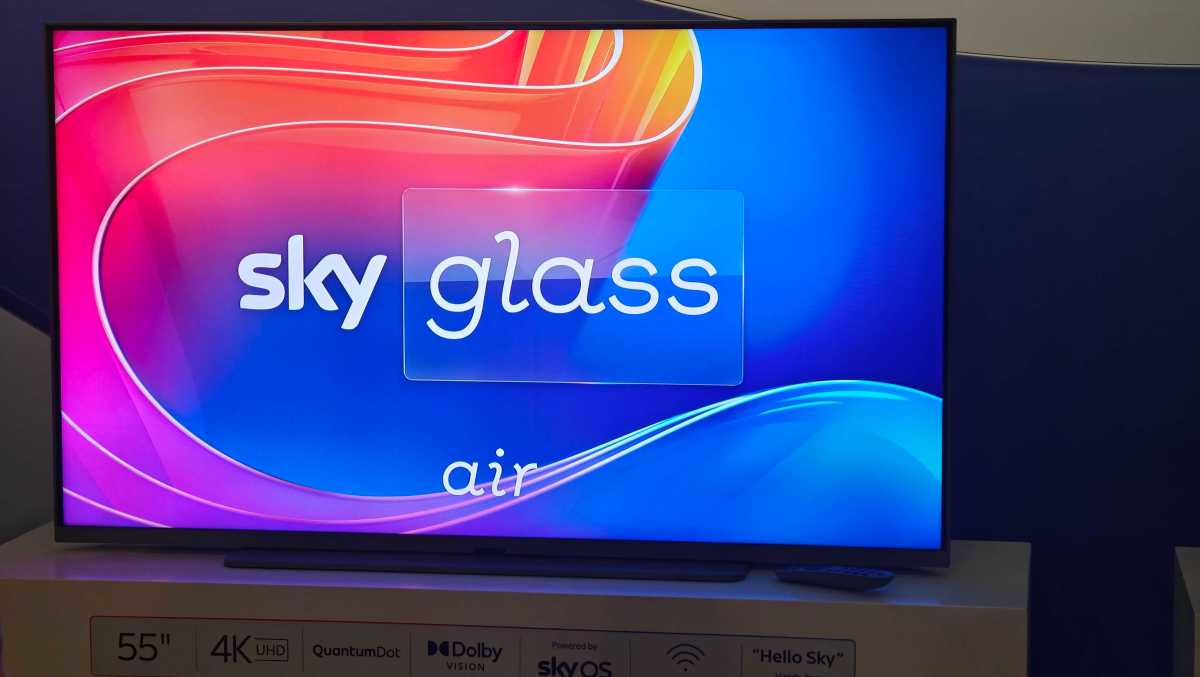
The Sky Glass Air is still a 4K HDR Quantum Dot panel with support for Dolby Vision, HDR10 and HLG, but the main difference between this and the premium Glass is that the cheaper option will have global dimming rather than local dimming, meaning that the contrast won’t be as good as what we see on the more expensive TV.
However, Sky made a point of mentioning in the press release that the new TV will have “contrast enhancement that automatically brightens the screen for a clearer, more vivid picture”. We’ll be able to give our full thoughts once we get the TV in for review.
Sky
Like the original Sky Glass, the panel is capped at 60Hz, meaning serious gamers may wish to look elsewhere for the fastest refresh rates.
The other key element to be aware of is sound. As mentioned earlier, the soundbar is gone and replaced by 2.0 stereo speakers with Dolby Audio. There are no upfiring speakers, which means no Dolby Atmos support. If you want that, you’ll need to attach an external soundbar – though the flat stand design doesn’t leave a lot of room for one to be tucked under unless you wall mount it.
It includes three HDMI ports, and while these are still at the back of the TV, they face sideways rather than towards the rear. One of these ports supports an eARC connection. There will also be support for Wi-Fi 6.
Hannah Cowton-Barnes / Foundry
As it’s a Sky TV, it will run on Sky OS, so it will benefit from any software updates to the interface and algorithm. Users can currently have profiles, create their own playlists and more.
The press release also confirmed that the Glass Air will be able to work in tandem with the Glass Gen 2 and Sky Stream , presumably with the Whole Home package. This means you could pause your programme in one room and resume it in the next.
So, if you’re looking for a second TV for the house (such as the kitchen or a bedroom), this could be a potential option. Note that it won’t work with Sky Q, and doesn’t support the Sky Live camera.
- Disney+ is totally free with this brilliant hack
- Netflix will stop working on some Amazon Fire TV models – find out if you’re affected
Author: Hannah Cowton-Barnes, Entertainment Editor, Tech Advisor

As Tech Advisor’s Entertainment Editor, Hannah is the resident expert in all things streaming, film and TV. Before joining Tech Advisor in 2019, she studied Theatre and Performance at the University of Leeds and created a website dedicated to geek culture and lifestyle. She’s also reviewed a whole range of gadgets including flagship smartphones, wearables and styling tools. Outside of Foundry, she’s written freelance pieces for Polygon, Metro and Den of Geek, and is proud to be a Women Techmakers Ambassador for Google.
Recent stories by Hannah Cowton-Barnes:
- Harry Potter TV series has finally revealed a release window
- Jessica Jones returns in Daredevil: Born Again season 2 trailer
- The Traitors will return for season 5 with new twists and challenges
