Apple announced its new iPhone 16e mid-range smartphone yesterday, but you might have overlooked its biggest flaw.
To an appreciable degree, the iPhone 16e closes the vast gap between Apple’s premium phones and its entry-level option, which was formerly filled by the SE range.
However, the company continues to omit certain key features that keep those on a lower budget at arm’s length.
Signs of improvement
If you took a look at the iPhone 13 and the iPhone SE 3 side by side today, it’d be hard to imagine that they’re technically of the same generation.
They are, though. In fact, the iPhone SE 3 is the newer device of the two by six months.
With the iPhone 16e, Apple has finally synchronised its smartphone offering. It looks broadly the same as the rest of the iPhone 16 family, with the same flat-edged design that every other major manufacturer seems to be copying.
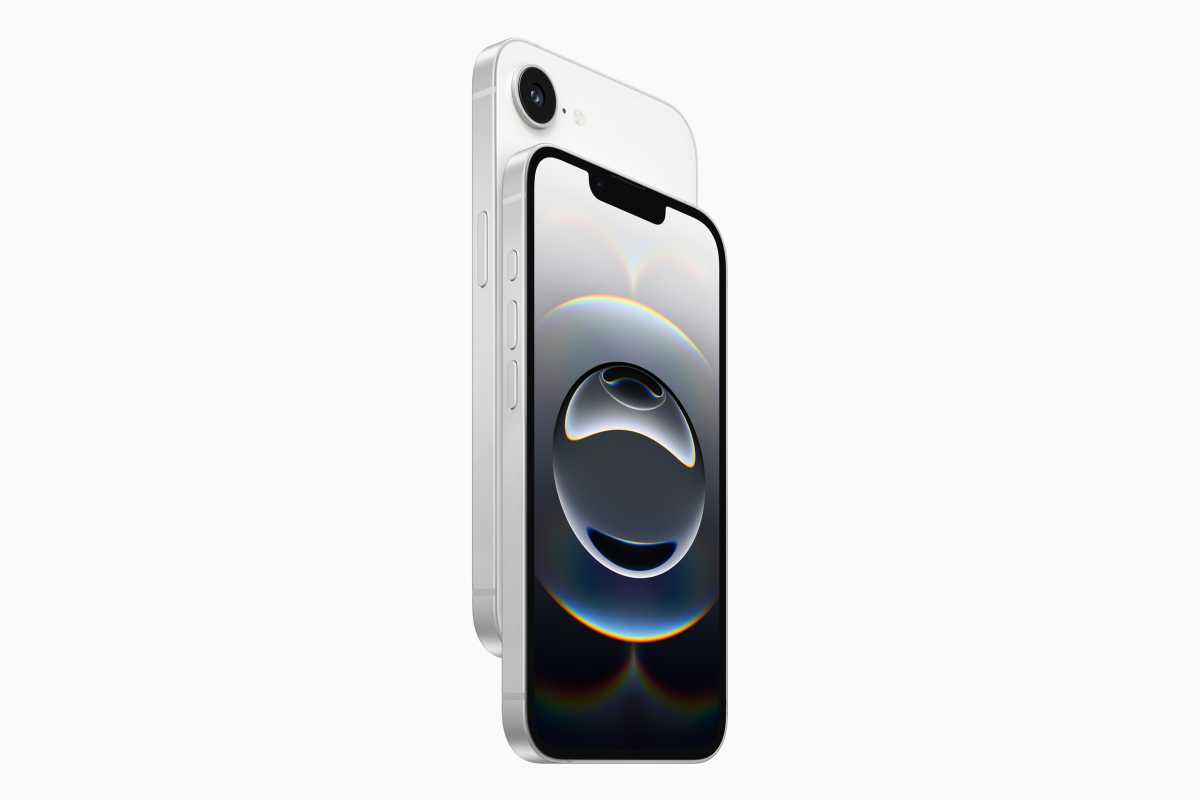
It finally ditches the pokey LCD screen in favour of a 6.1-inch OLED, and it finally ditches the ancient Touch ID-imbued Home button (with accompanying huge chin) for a Face ID notch (albeit sans Dynamic Island) and minimal bezels.
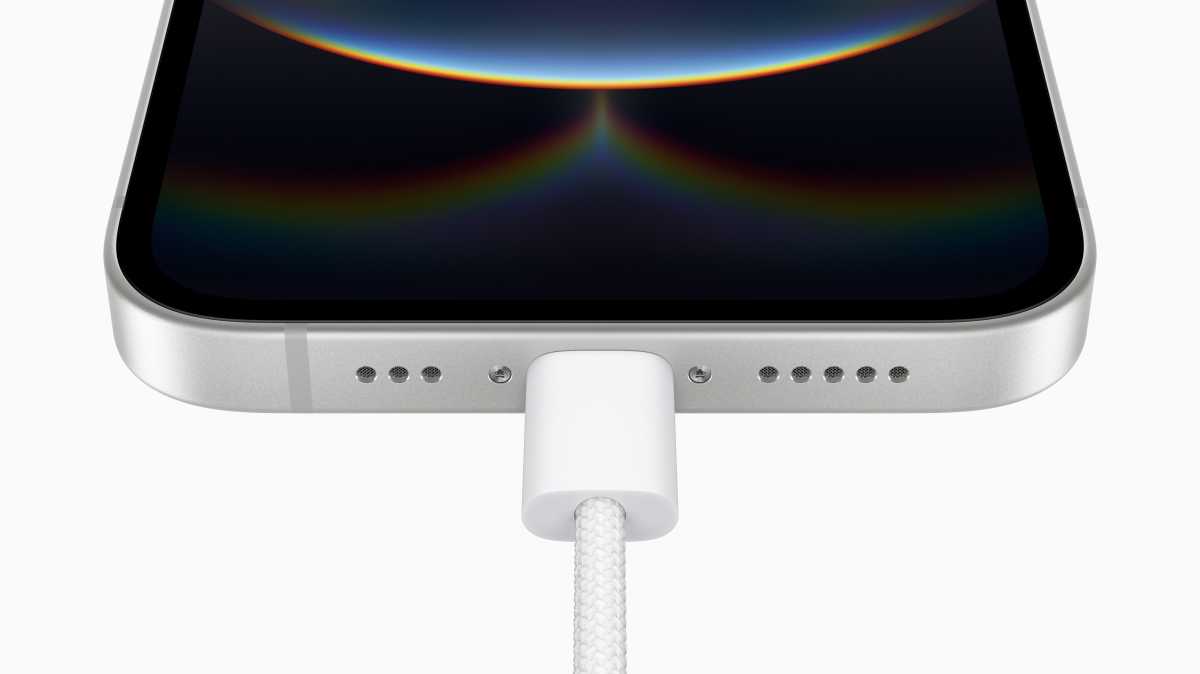
We can even wave goodbye to the Lightning connector, as Apple’s sluggish proprietary charging and connection port exits stage left in favour of USB-C.
Apple
Apple’s wireless charging provision comes unstuck
Props to Apple for bringing its mid-range smartphone line-up up to date, but there are some glaring omissions here. The most obvious to me is MagSafe.
At a time when Android phone makers are (rightly) getting some stick for not adopting proper Qi2 with its ingenious magnetised fastening system, it seems crazy to me that Apple isn’t doubling down.
It would have been an almighty statement that it was still ahead of the game on wireless charging if Apple had bundled its intuitive MagSafe system – which essentially led to Qi2 – into a £599/$599 phone.
This would also have provided a clear USP ahead of Google’s Pixel 9a launch. Google’s mid-range option has really been gaining momentum in recent years, and the forthcoming Pixel 9a is really shaping up to be an impressive package.
The iPhone 16e is already set to have an advantage over the Pixel 9a on raw performance, but imagine if it had proper Qi2 support too. That’d be a one-two punch to make buyers think twice at the checkout.
Apple
MagSafe isn’t all that’s missing
It’s not just MagSafe that’s missing from the iPhone 16e package. There’s no Camera Control, for one thing, though this is far from an essential feature, and the mappable Action Button is present and accounted for.
Elsewhere, it continues to gall that Apple doesn’t deem a 120Hz ‘Pro Motion’ display to be a bare minimum feature, as it is with virtually every other smartphone north of £120/$150. But then, it was never going to undercut its own iPhone 16 in this respect.
Some may even miss the presence of a dedicated ultra-wide camera. Personally, this isn’t an issue for me, and it was more important that Apple improved the quality of the iPhone 16e’s sole camera – which it has.
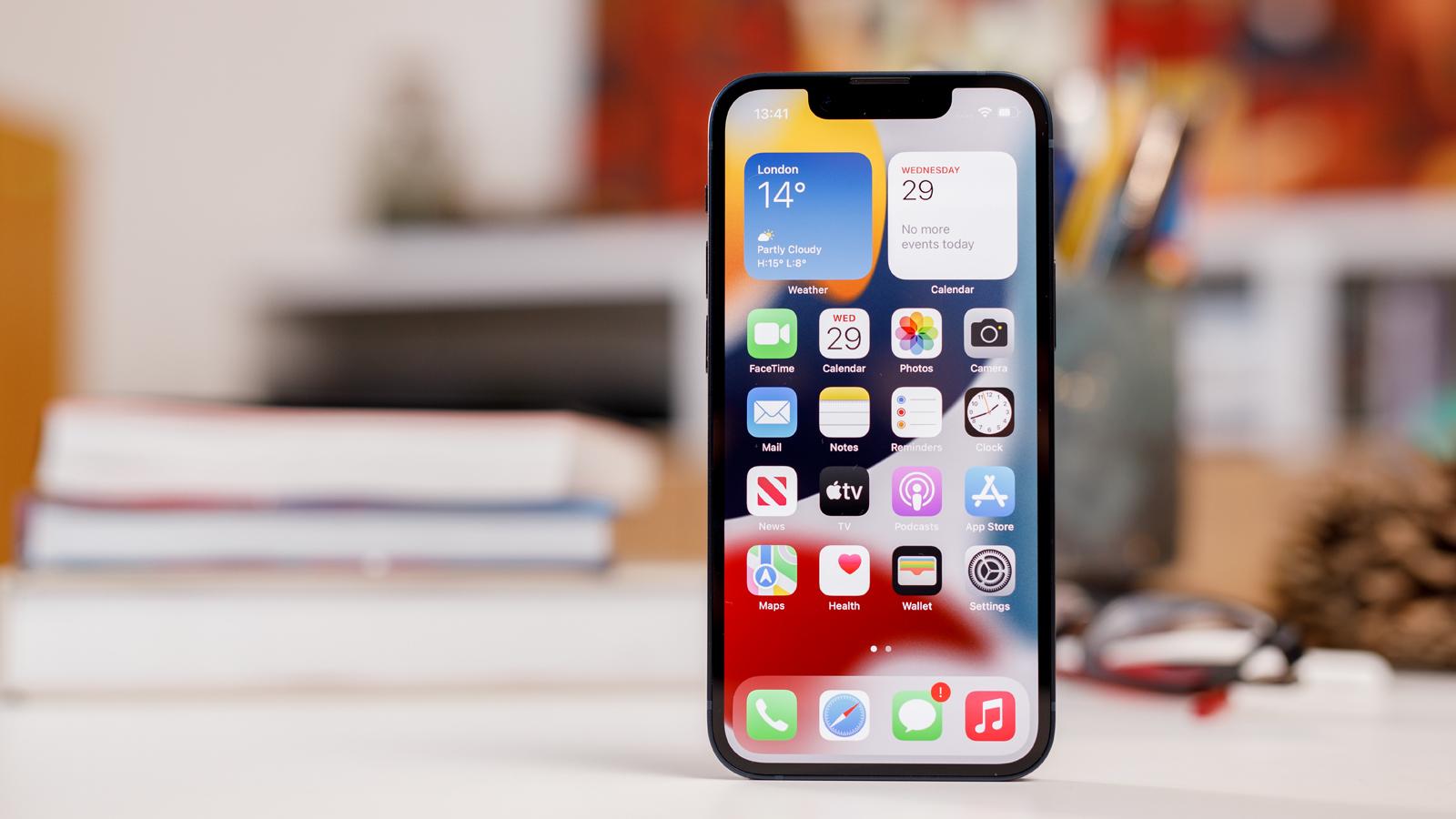
MagSafe, though, seemed like an easy win. Apple has surely streamlined the production process in the more than four years since MagSafe debuted on the iPhone 12 . It even managed to squeeze its magnetised charging system into the smaller, cheaper iPhone 12 Mini and iPhone 13 Mini (RIP).
The iPhone 16e looks like a massive step forward for the range, but Apple could afford to be a little more generous with its specifications – especially when it comes to MagSafe.
Apple iPhone 13 mini

Author: Jon Mundy, Contributor, Tech Advisor

Jon is a freelance journalist who got his start covering mobile games at the dawn of the App Store. He has since covered everything from smart home tech and laptops to food and culture, but always seems to return to his fascination with smartphones.
Recent stories by Jon Mundy:
- Nothing Phone (4a) and Pro get tipped release date
- Xiaomi 17 Ultra European pricing leaks, and it’s good news
- Samsung Galaxy Wide Fold could be a bigger deal than expected
