In October 2024, while preparing for a trip to Hawaii, a big problem suddenly occurred to me: the UK SIM card in my phone wouldn’t work.
For previous trips, I’d either made use of the included roaming or bought a local SIM card once I’d arrived. The latter was still an option here, but I didn’t want the hassle of finding a seller at the airport or risk having to commit to an expensive contract.
An eSIM seemed like the perfect alternative on paper, but I was wary. Was my phone (the Pixel 9 Pro XL ) compatible with eSIM? How do I add an eSIM to my phone? And would it even work once I arrived in the US?
Fortunately, my eSIM experience was so seamless and impressive that it convinced me to use it again on my next trip. And unless you’re a phone reviewer like me who regularly switches phones, it’s also a great option for everyday use.
Here are five big reasons to ditch your physical SIM card for an eSIM in 2025. If we manage to convince you to trade, check out our advice on the best eSIM plans for travel, business and home use .
Simple setup
Once you’re sure that your phone is compatible with eSIM (check its specs if you’re unsure), the process of setting it up is straightforward.
Whether you go direct to a UK network ( EE , Vodafone , Three or O2 ), US carrier ( AT&T , T-Mobile or Verizon ) or any of the piggyback providers which offer eSIM, the process is largely the same.
Before my Hawaii trip, I used Airalo , which specialises in eSIM for international travel. After downloading the app to my phone and signing up, I simply copied the ‘SM-DP+Address & Activation Code’, then added a new SIM in Settings, pasted the details in and activated mobile data and roaming.
It’s even easier when setting up via another device, where you can use a QR code instead of copying anything over. Airalo has detailed instructions for iPhone and Android on its website.
When I touched down in the US, I just turned on the new eSIM and it started working immediately. It eliminated what would otherwise have been a big source of stress during my trip.
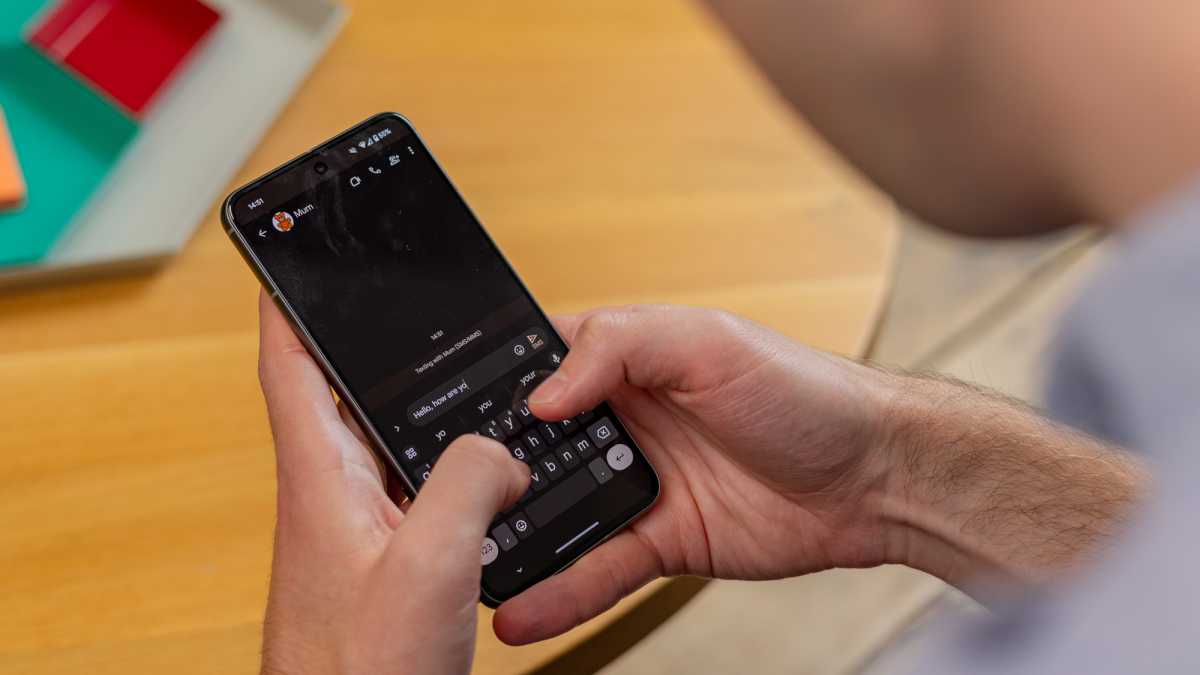
Being able to seamlessly keep in touch with family and friends while travelling is so important
Dominik Tomaszewski / Foundry
Seamlessly move between networks
Any physical SIM card can only be used on one network. Sure, you can switch them in and out of your phone, but that often means juggling multiple contracts with different providers.
This flexibility is something physical SIM cards simply can’t match.
Multiple numbers without multiple SIMs
My only experience using an eSIM so far has been for mobile data while travelling. But if you’re considering switching to it full-time, you’ll want to also have a phone number for calls and texts.
With physical SIM cards, you can only have two numbers on one phone – even then, that’s only if you have a dual-SIM phone .
Meanwhile, Apple lets you add eight different eSIM profiles to the iPhone , while Android phone makers typically offer at least five. You can still only have two active at any one time, but it makes having loads of different numbers totally seamless.
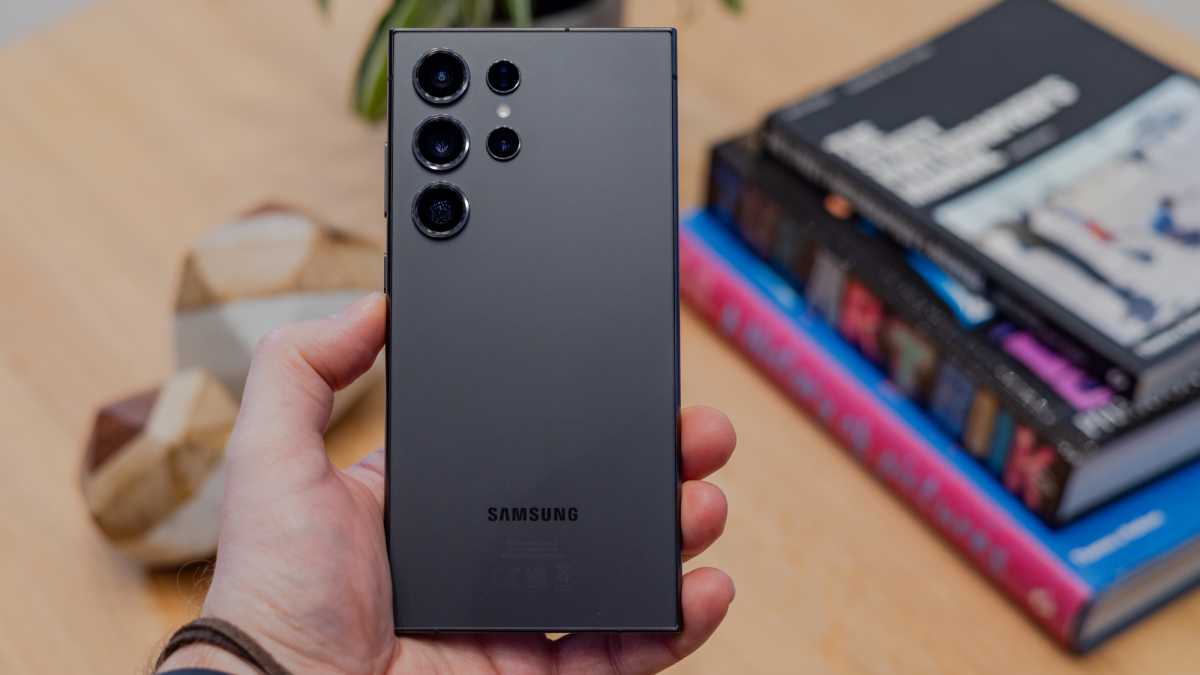
The Galaxy S24 Ultra supports up to 20 eSIM profiles
Dominik Tomaszewski / Foundry
A security upgrade
If you’re concerned about security, a physical SIM card is a significant risk. If someone steals your phone, they can easily access the SIM and all the data on it, plus impersonate you on calls and texts.
That simply isn’t possible with an eSIM, which is locked to the device it’s installed on. An eSIM remains active unless otherwise authorised, making it easier to track down and very difficult to sell.
What’s more, eSIMs have an extra layer of security measures that make them highly resistant to hacking and cloning.
The eco-friendly option
As you might expect, eSIMs have a lower carbon footprint than physical SIM cards.
There’s no plastic used in their production, which also means nothing goes to landfill once you’re ready to change contracts. And with purchase, activation and support all online, emissions from transport are much reduced.
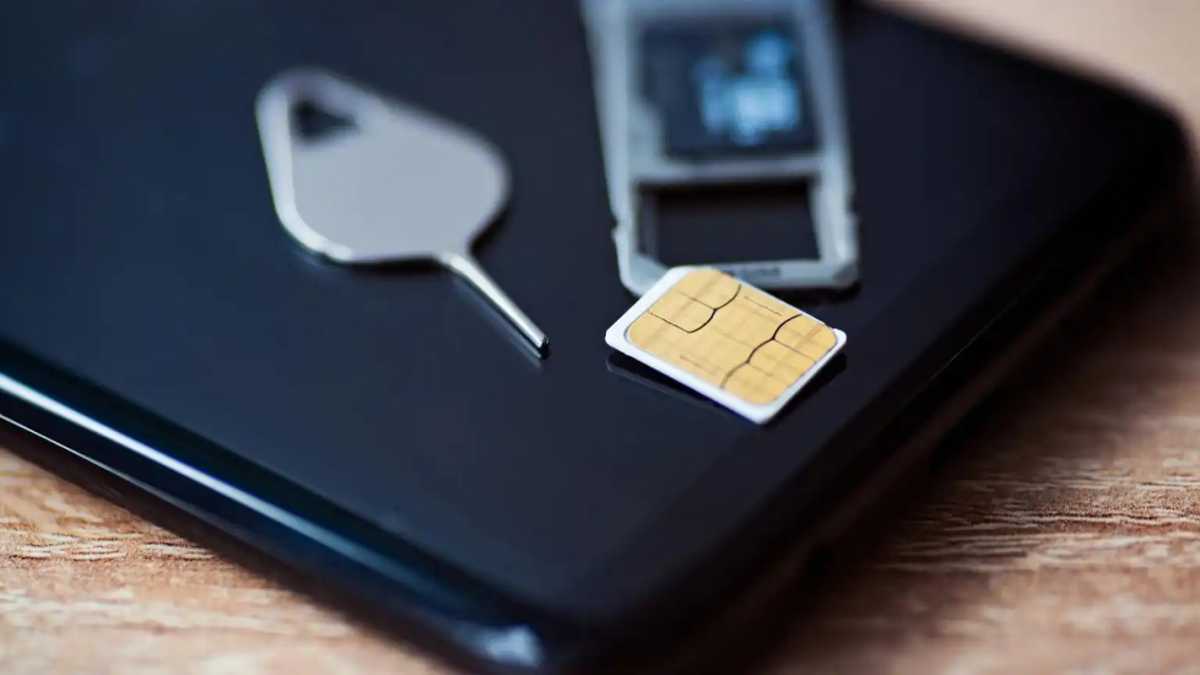
Physical SIM cards have a significant environmental impact
Dominik Tomaszewski / Foundry
Are eSIMs right for everyone?
No. To get everything set up, you’ll need some level of technical ability and a stable internet connection. And if you regularly change phones, the switching process is much more complicated than with a physical SIM.
There’s also a possibility that the phone you want to buy doesn’t support eSIM, with the technology still relatively new.
But for everyone else, I’d highly recommend you give it a go. Start with an eSIM while travelling and see how you get on before switching to one full-time.
The beauty of a dual-SIM phone is that you can use both physical and eSIM simultaneously before deciding which is right for you.
- What is an eSIM and can you get one on your phone?
- Five pros and three cons of using an eSIM on your phone
- The best SIM-only deals in the UK and US
Author: Anyron Copeman, Mobile Editor, Tech Advisor

Anyron is Mobile Editor at Tech Advisor, where he’s been a mainstay of the editorial team since 2019. In his current role, Anyron is responsible for all smartphone, tablet and mobile network coverage on the site. A BA Journalism graduate, he has experience with a wide range of consumer tech products and services, including smartphones, tablets, foldables, wearables and more.
Recent stories by Anyron Copeman:
- The truth: Android 17 won’t matter to most people
- I missed you, Pixel 10 Pro XL
- These are the best Xiaomi phones you can buy right now
