One of the most significant announcements at Apple’s iPhone 17 event this week was a release date for the next major version of iOS.
iOS 26 will be officially available on 15 September, meaning that all supported devices can be updated from Monday. With a new ‘Liquid Glass’ design and dozens of fresh features, there are plenty of compelling reasons to upgrade.
However, just like every year, some older iPhones aren’t compatible with the new version. In the case of iOS 26, Apple’s 2018 handsets are the ones that miss out. If you’re an iPhone XR , XS or XS Max owner, you face a tough decision: make do with iOS 18 , or add to the huge problem of e-waste.
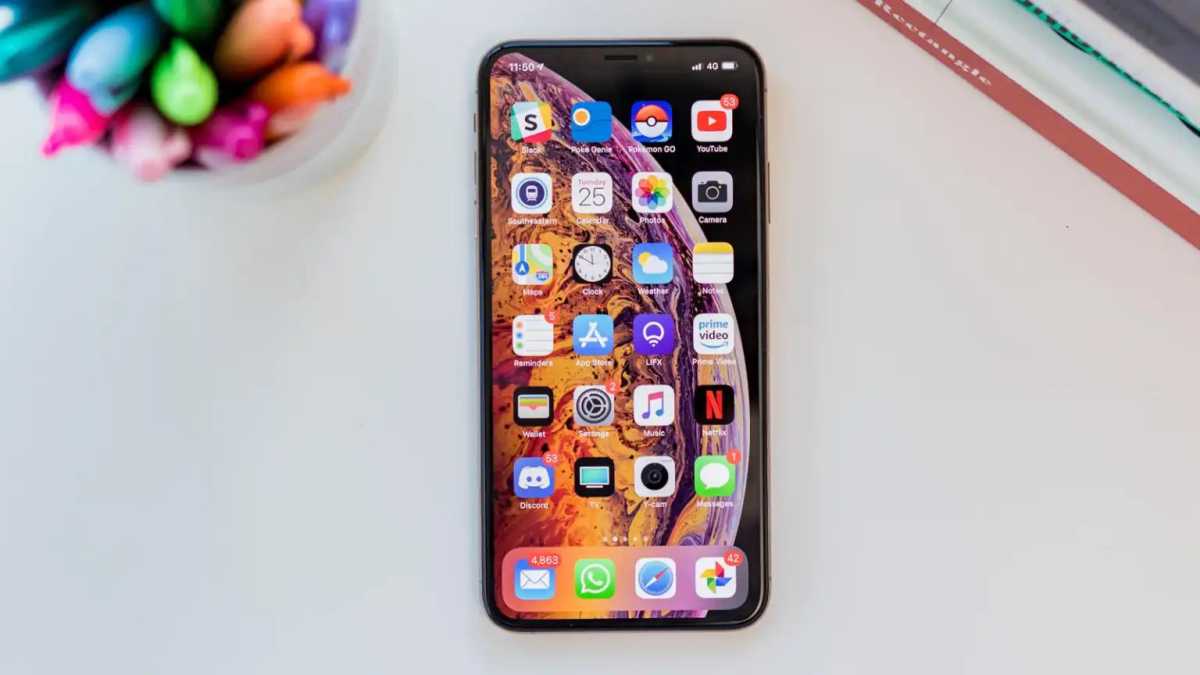
The iPhone XS Max is one of the phones to miss out on iOS 26
Dominik Tomaszewski / Foundry
And make no mistake, it is a massive issue. According to research from BusinessWaste , over £271m worth of e-waste will be generated from the loss of support for those three iPhones alone. That’s despite those models still receiving security updates, at least for the time being.
It’s a scenario we see replicated across the smartphone market. Just last week, Samsung ended support for its Galaxy Note 20 series , marking the end of an era for that line. Meanwhile, Nothing has confirmed that it will no longer update the Phone (1) , its first-ever phone.
The nature of consumer technology means this process is almost inevitable, but it’s important to know that upgrading to a new phone doesn’t just hit your bank balance.
Why discarding phones is a big problem
E-waste refers to any electronic appliances that are discarded due to being broken, unsafe or simply no longer wanted. In the case of smartphones, discarded devices include rare metals such as silver, gold and palladium.
If these materials end up in landfill, they can have profoundly negative effects on the environment. As BusinessWaste’s Graham Matthews explains, it can “damage our soil, ecosystems, and even human populations as hazardous substances leak out and contaminate the environment”.
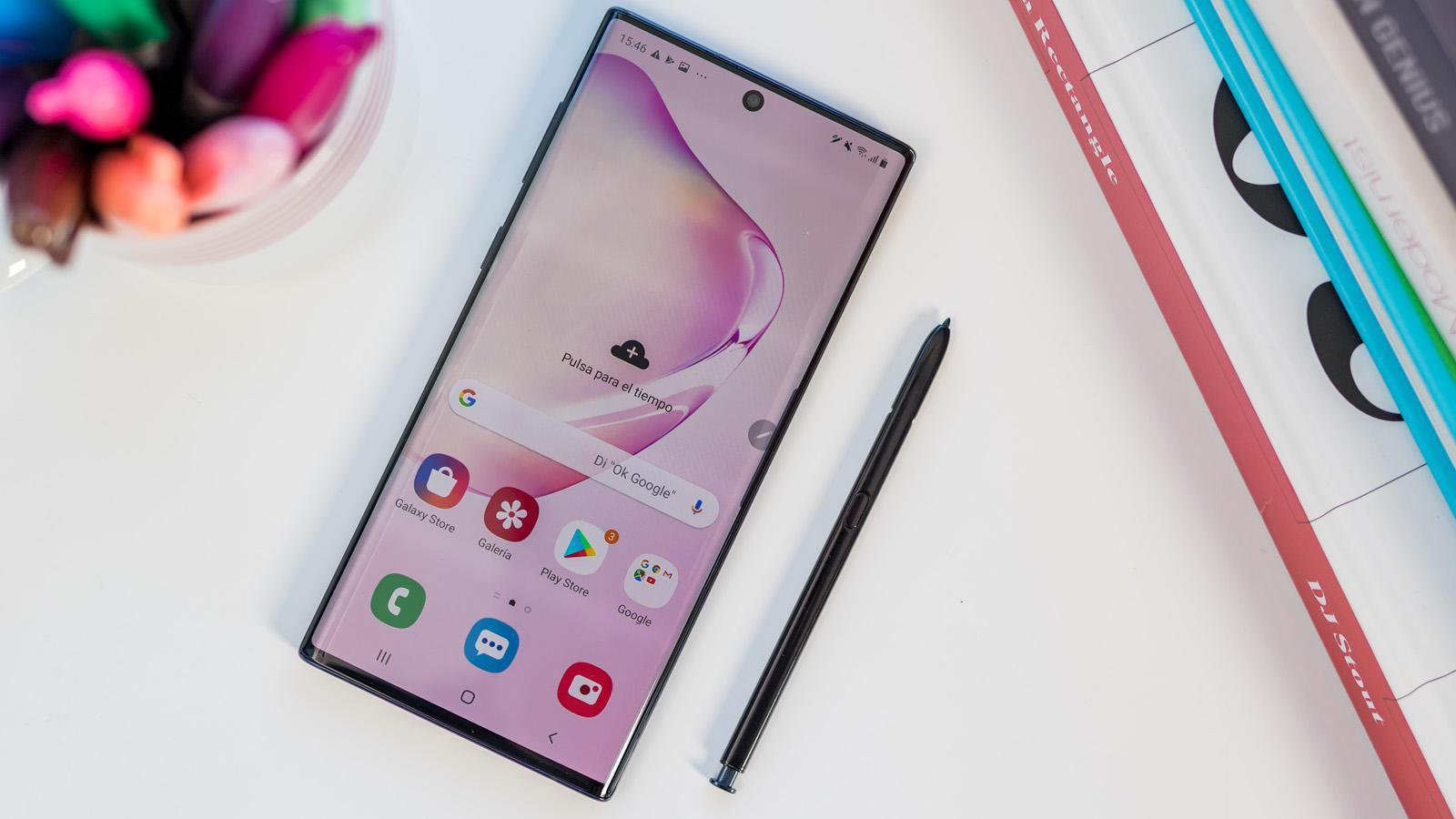
Unsupported phones, such as the Galaxy Note 20 Ultra, are full of potentially harmful e-waste
Foundry
Meanwhile, the World Health Organization (WHO) describes it as “one of the fastest growing solid waste streams in the world”, adding that e-waste releases “toxic pollutants, contaminating the air, soil, dust, and water” into the environment, “exposing people in faraway areas to hazardous substances”.
In other words, it’s terrible for the health of humans (especially children and pregnant women) and our planet, so it should be avoided wherever possible.
Fortunately, it’s not inevitable that smartphones end up in and add to the e-waste problem.
What you can do to avoid phone e-waste
If you own a 2018 iPhone or other device that’s not compatible with the next major software update, there are a few options available to you.
First, use it for as long as possible. The iPhone XR, XS and XS might not be compatible with iOS 26, but they’re still receiving security updates for the time being.
However, once those patches come to an end, the phone isn’t safe to use, and you should switch. Using a smartphone beyond support leaves you vulnerable to viruses and other malware, and the manufacturer won’t patch any bugs that occur.
You’ve probably heard stories of people using phones that are almost a decade old (iPhone with a home button, anyone?), but this isn’t a credible solution to the e-waste problem.
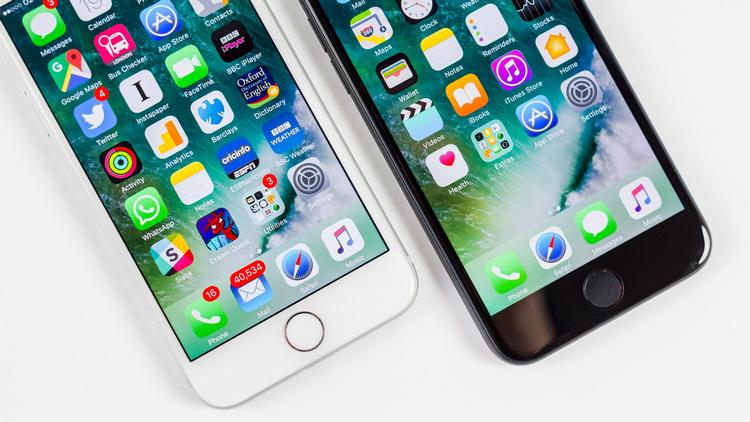
Don’t even think about it
Foundry
Instead, look to recycle your old device wherever possible. BusinessWaste says that up to 80 percent of the materials in your phone can be recycled, so it’s definitely worth doing.
If you bought the phone on contract, check if your phone network will recycle the old device for you. This is common when upgrading to a new device, and some will even pay you for it.
Alternatively, head to a third-party recycling service. Compare and Recycle compares many of the top providers, although some such as Music Magpie aren’t included.
Then, choose a new smartphone you know will be supported for a long time. Your best chance is buying a current handset, with phones from the likes of Samsung and Google regularly receiving seven years of updates. The Fairphone 6 is the current best with eight years, and it receives bonus sustainability points for being easily repairable.
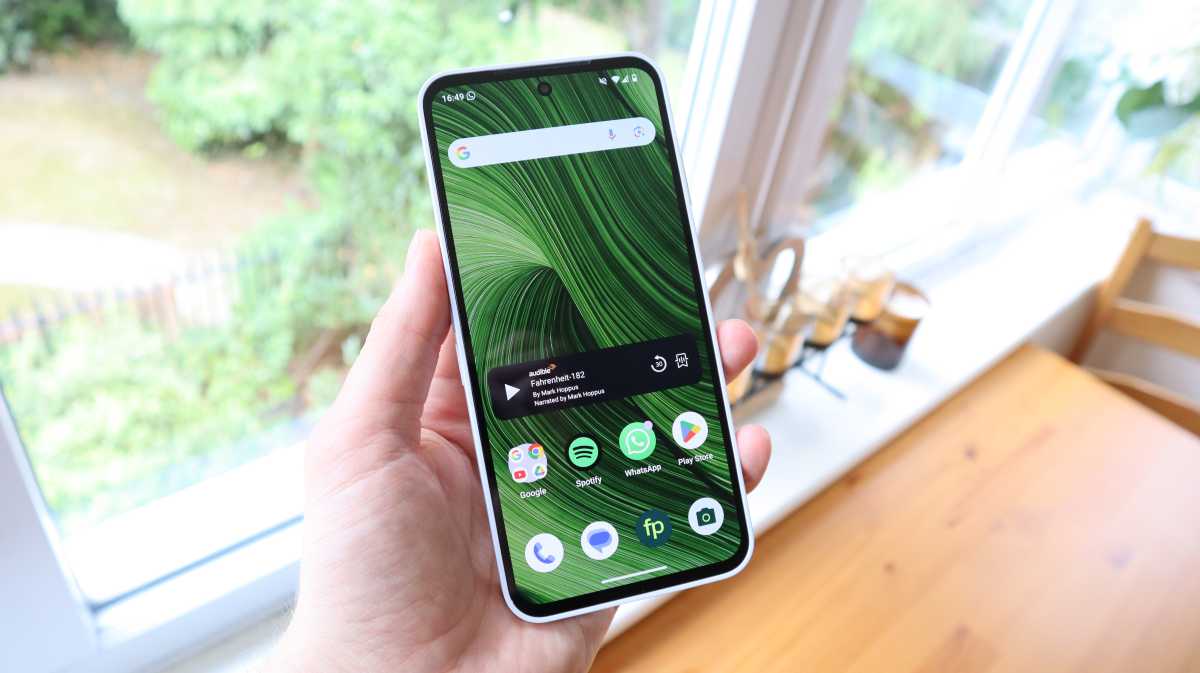
The Fairphone 6 is unmatched when it comes to software support
Thomas Deehan / Foundry
However, the situation varies a lot, especially if you’re looking at a budget or mid-range phone instead of a flagship. Remember, do your research and don’t put all your trust in a single review – plenty of time may have passed since it was first published.
That’s especially true when buying a refurbished phone , which is a better environmental choice than purchasing a new handset. It’s not an inevitability that your old phone ends up as e-waste, but it’s important to take practical steps to ensure it doesn’t happen.
Author: Anyron Copeman, Mobile Editor, Tech Advisor

Anyron is Mobile Editor at Tech Advisor, where he’s been a mainstay of the editorial team since 2019. In his current role, Anyron is responsible for all smartphone, tablet and mobile network coverage on the site. A BA Journalism graduate, he has experience with a wide range of consumer tech products and services, including smartphones, tablets, foldables, wearables and more.
Recent stories by Anyron Copeman:
- The truth: Android 17 won’t matter to most people
- I missed you, Pixel 10 Pro XL
- These are the best Xiaomi phones you can buy right now
